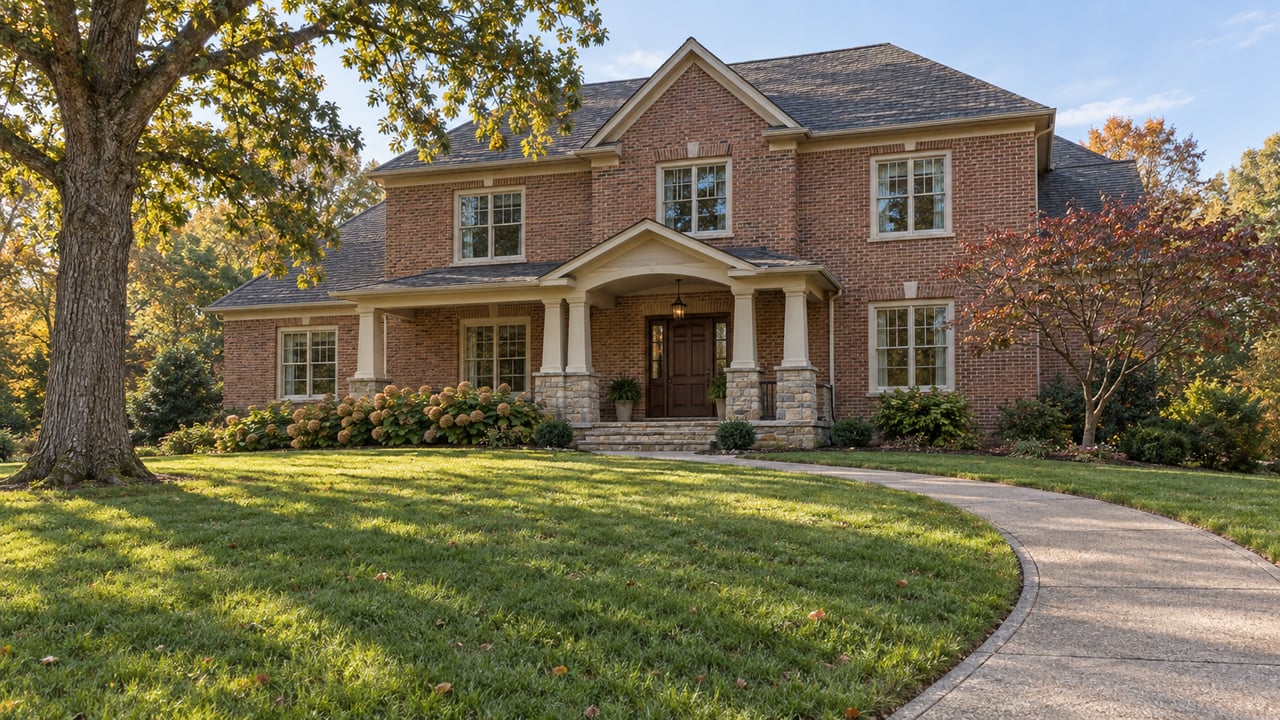
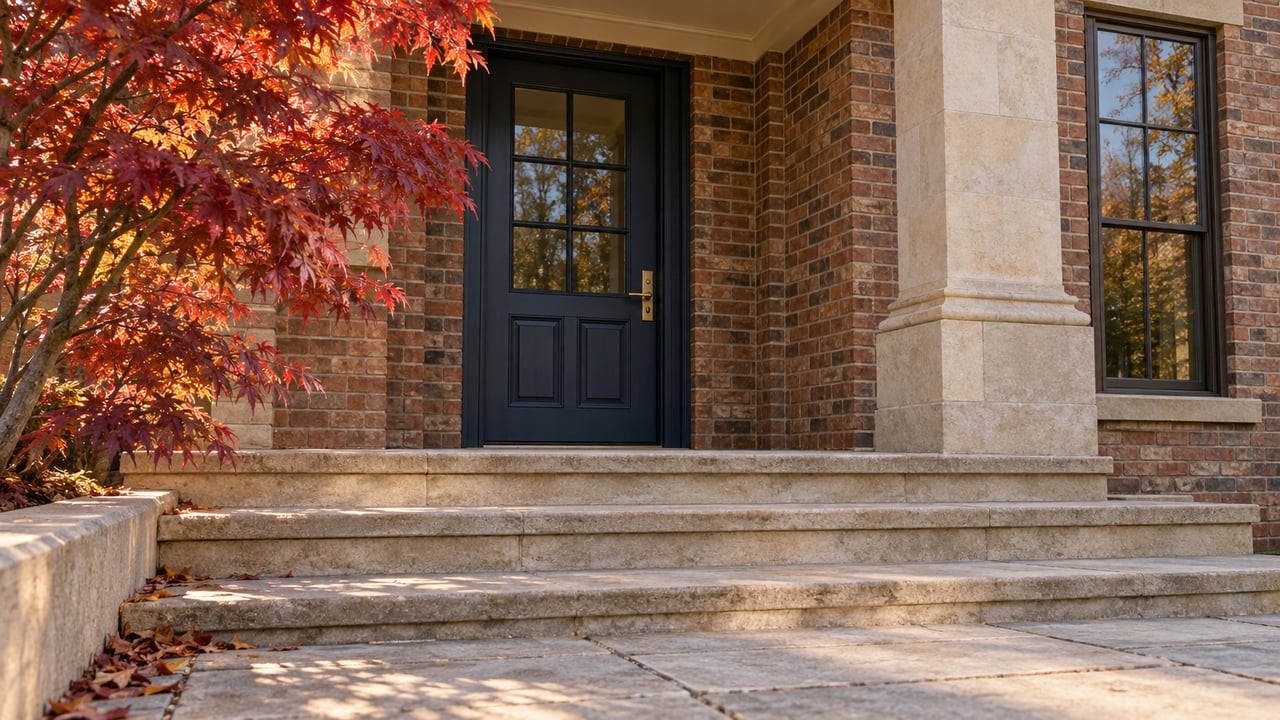
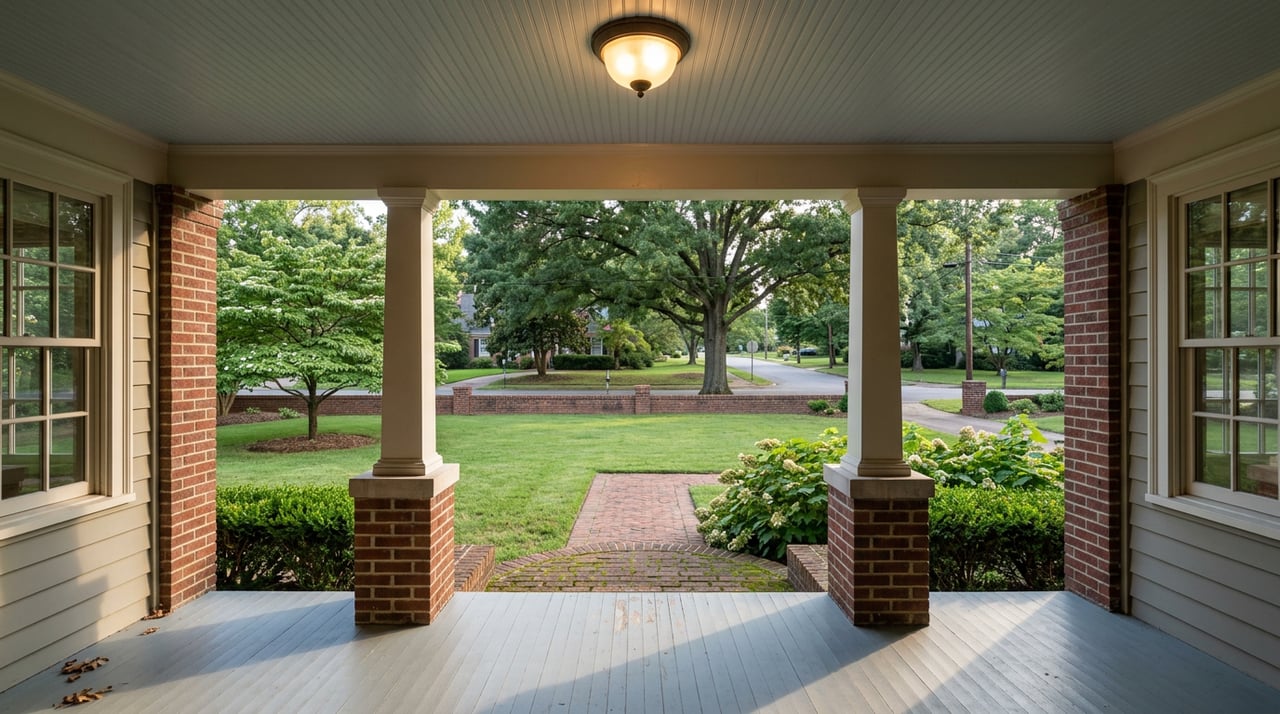
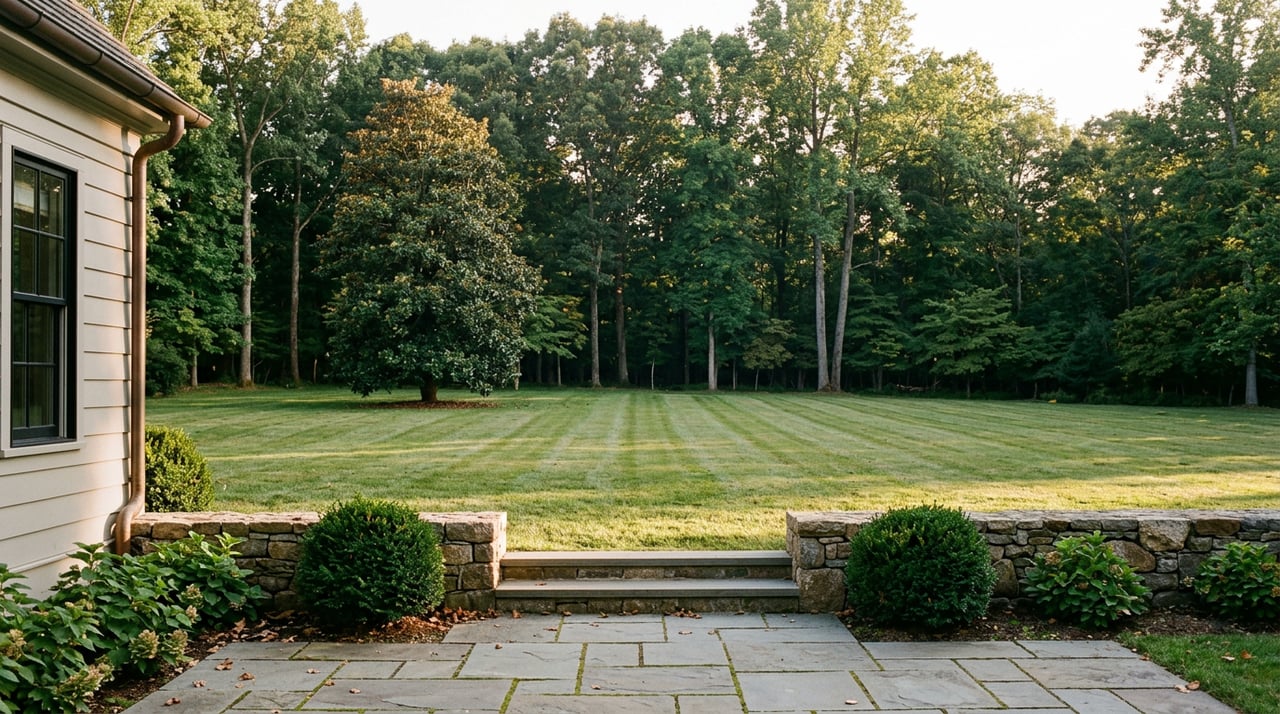
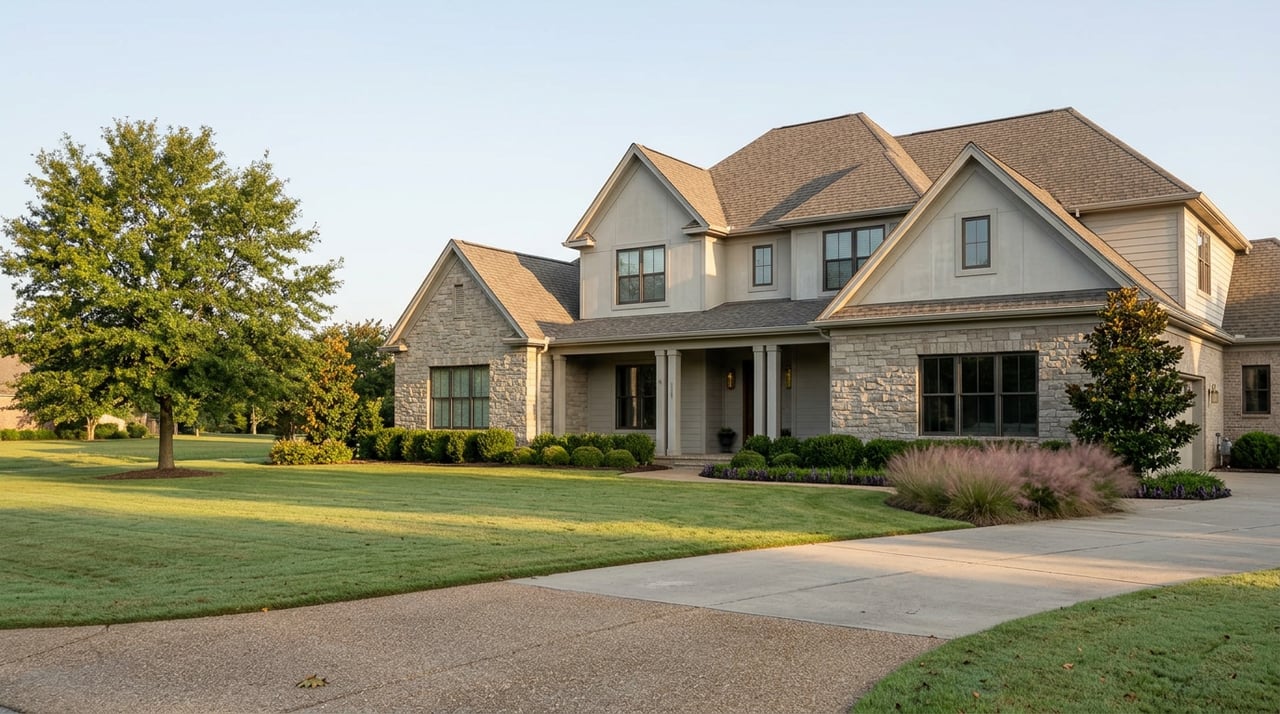
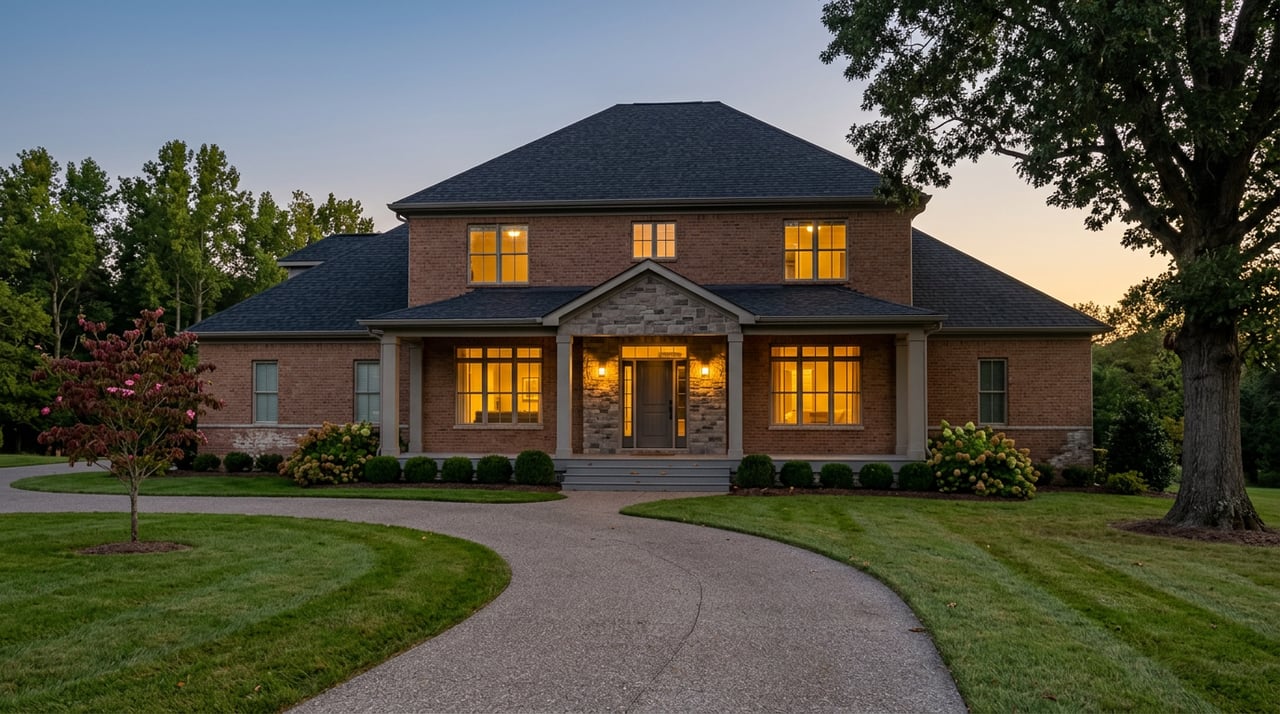
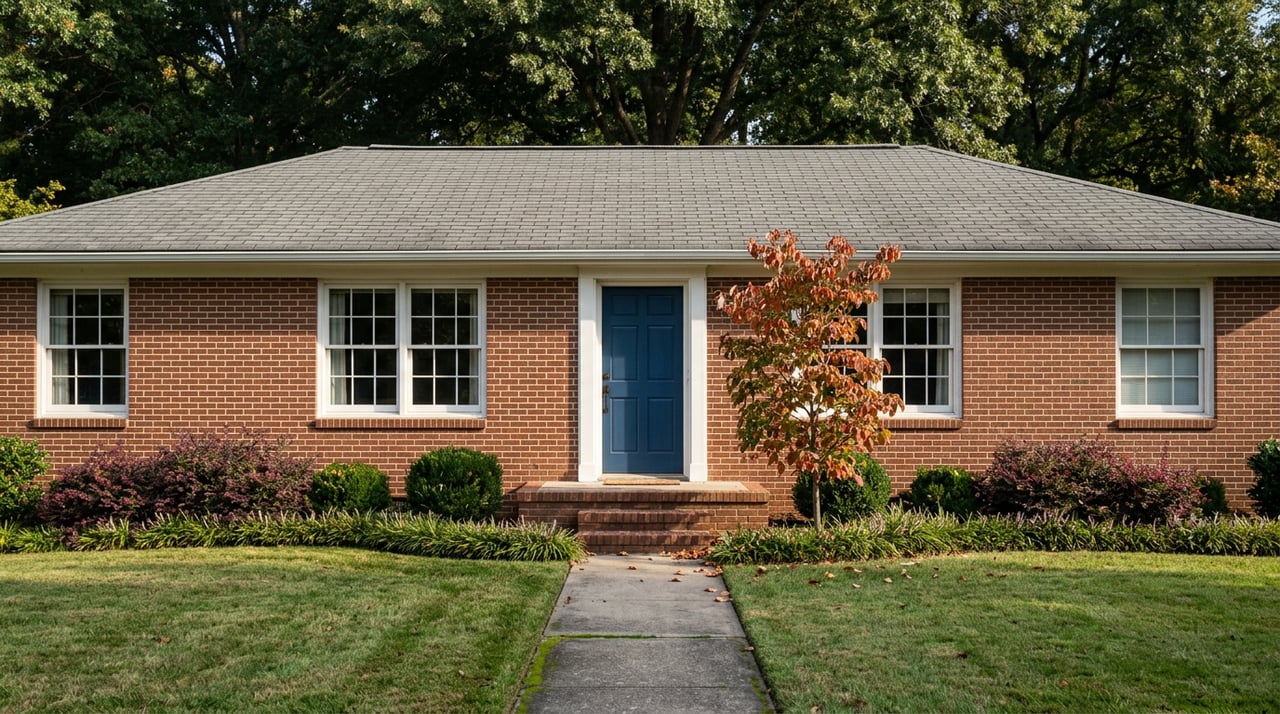
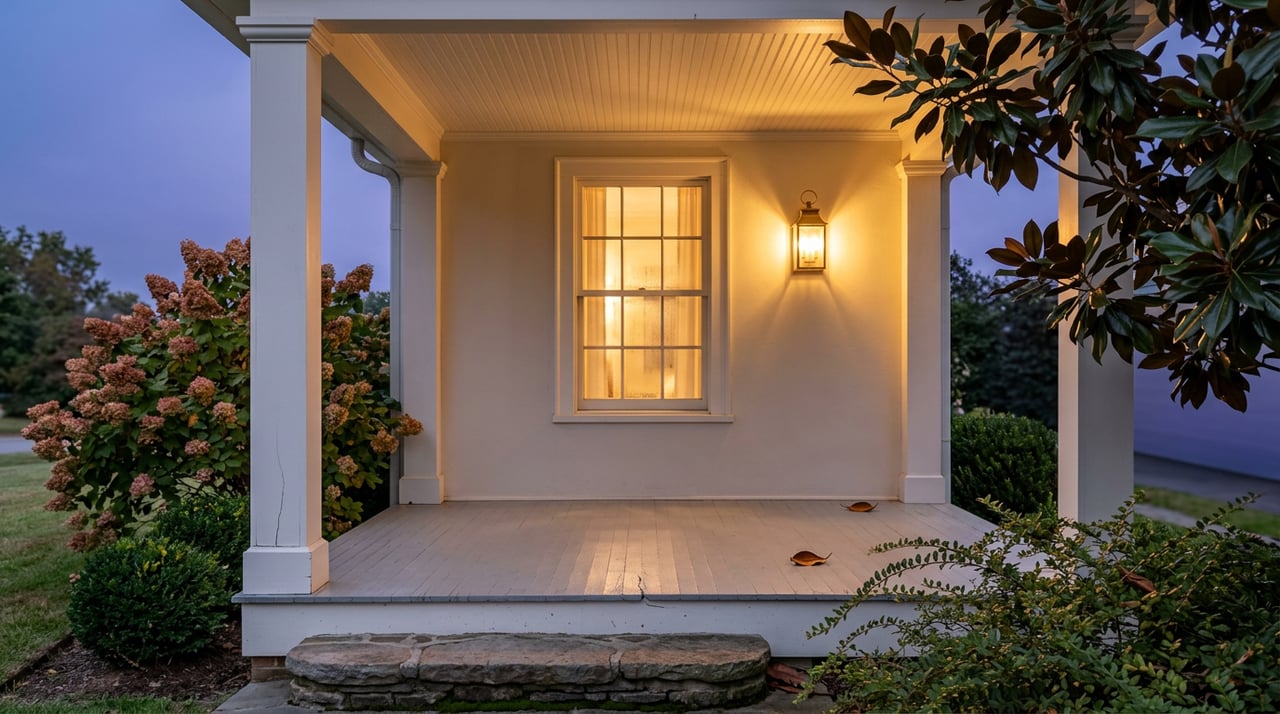
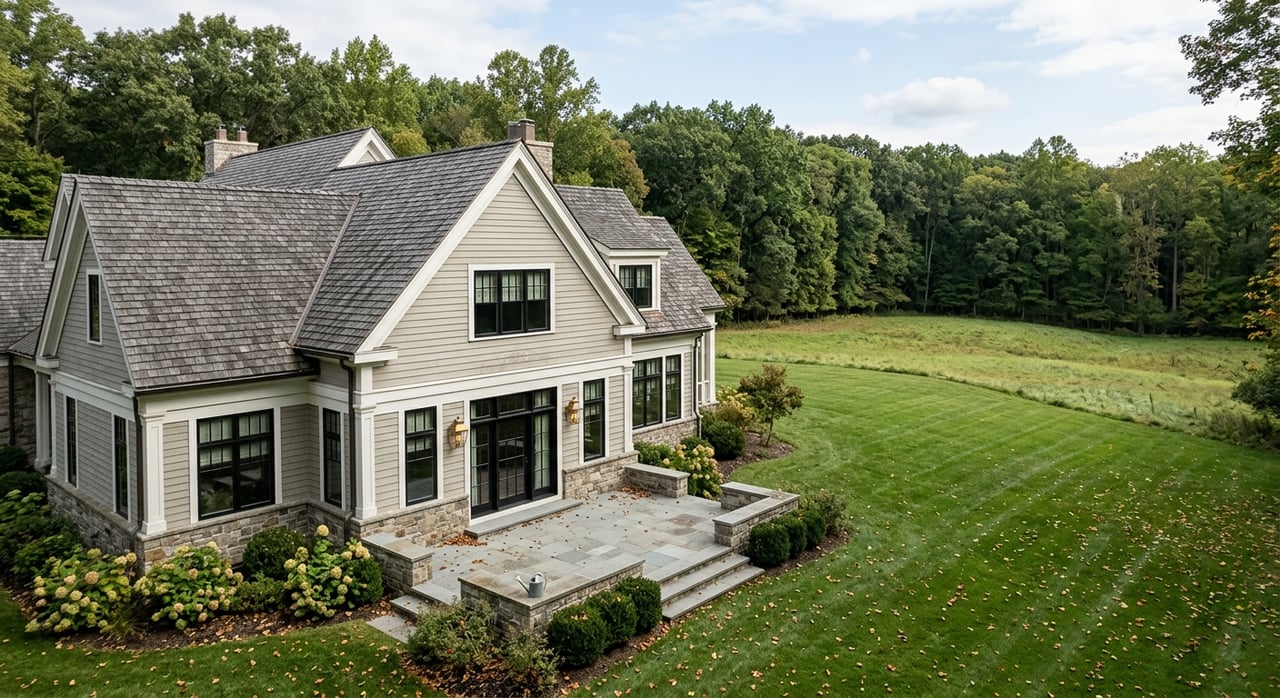
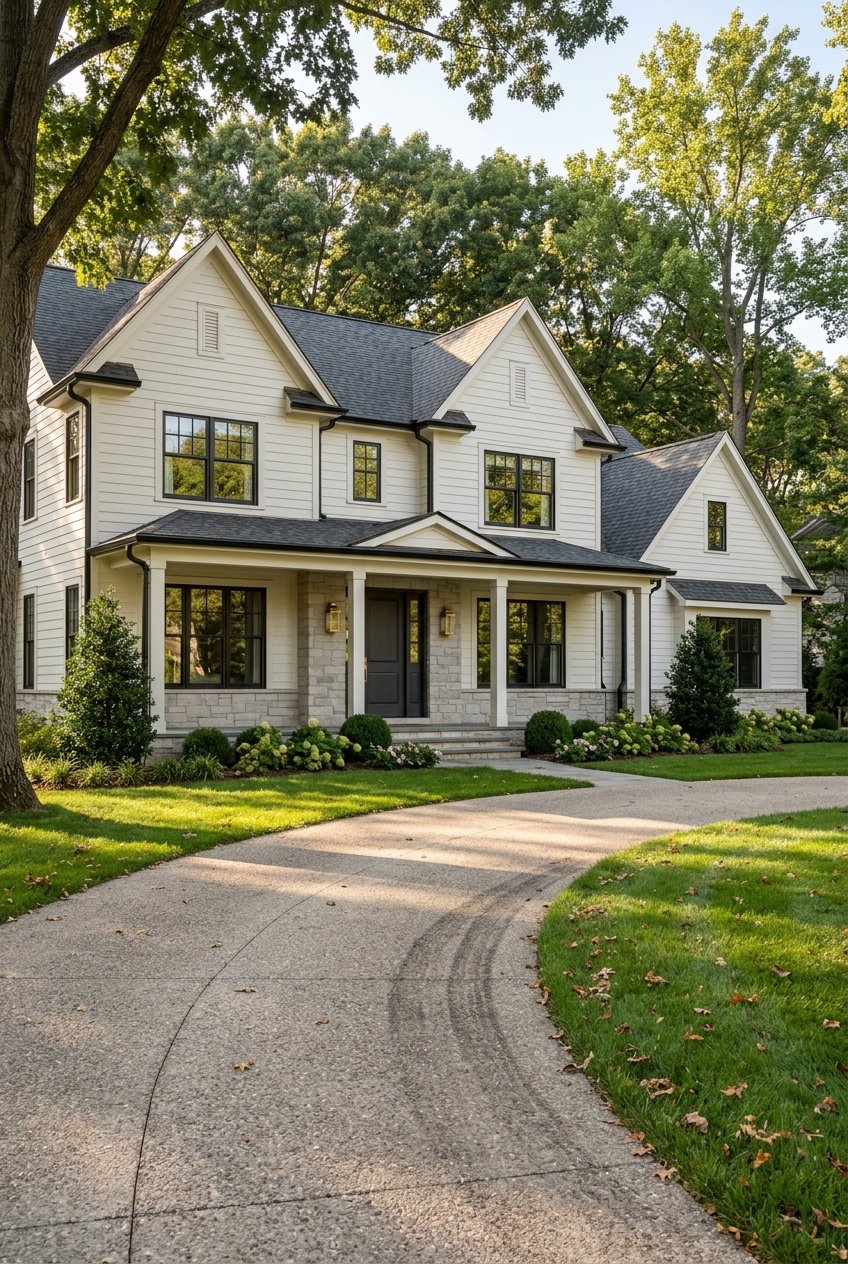
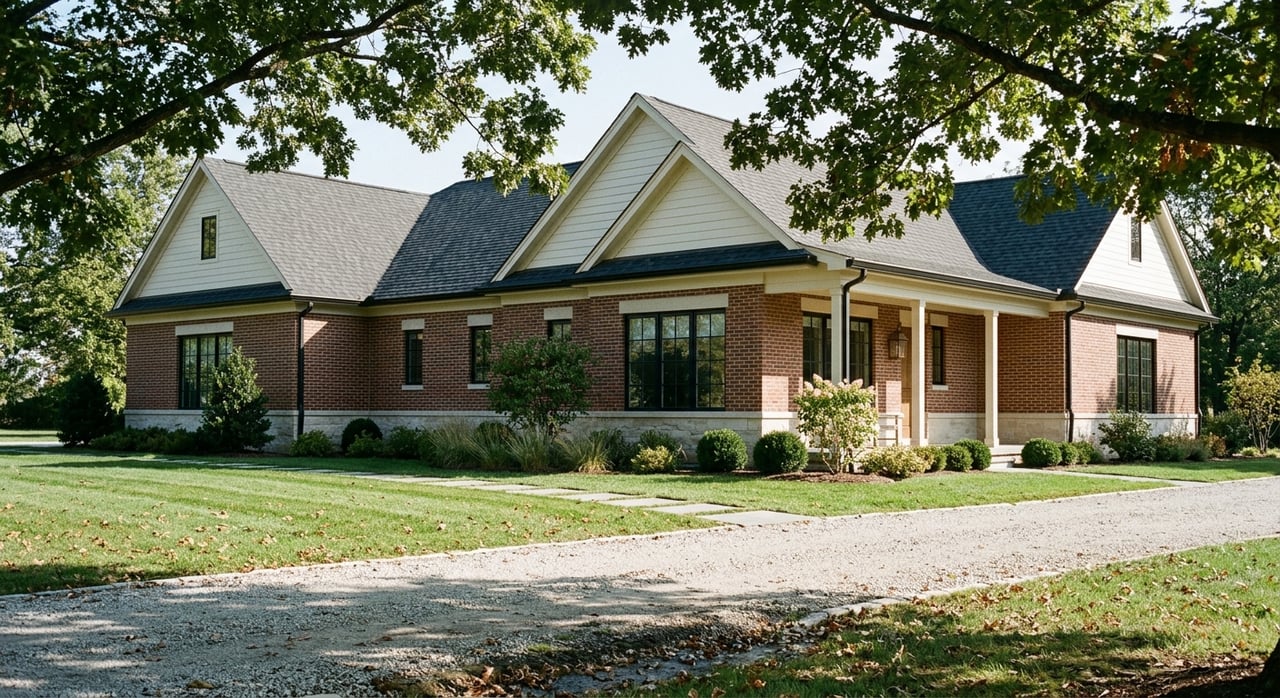
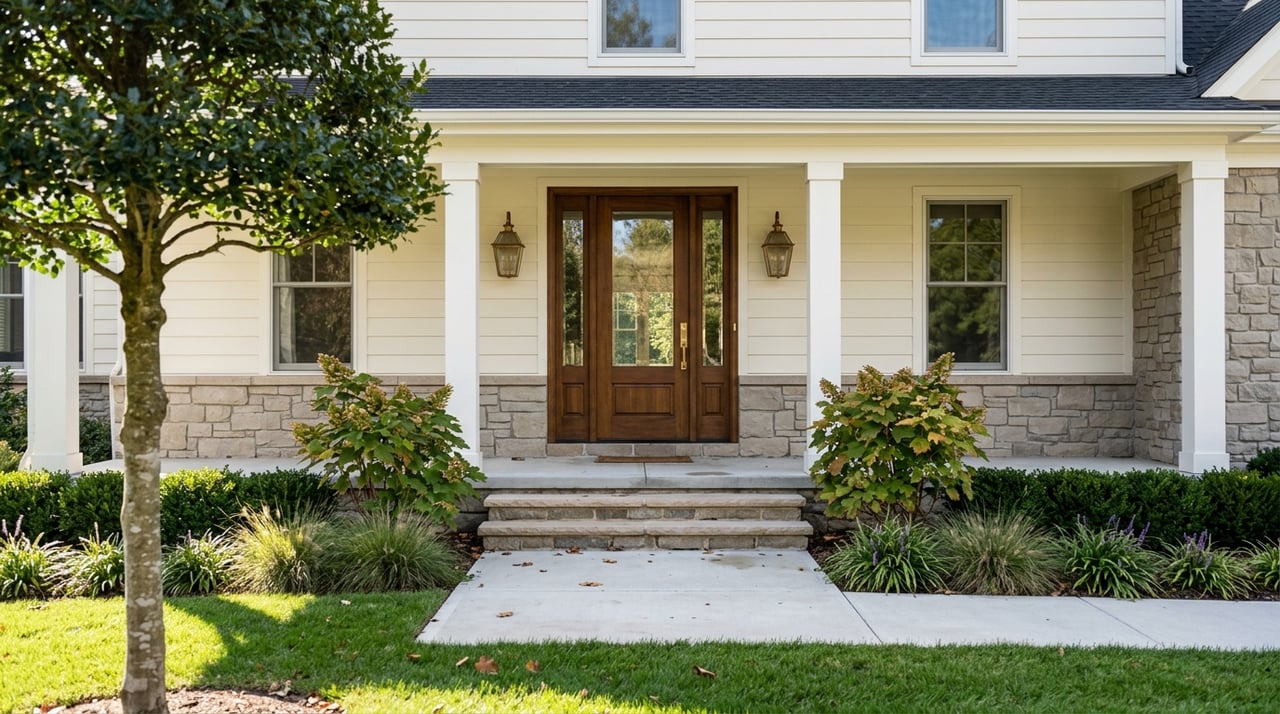
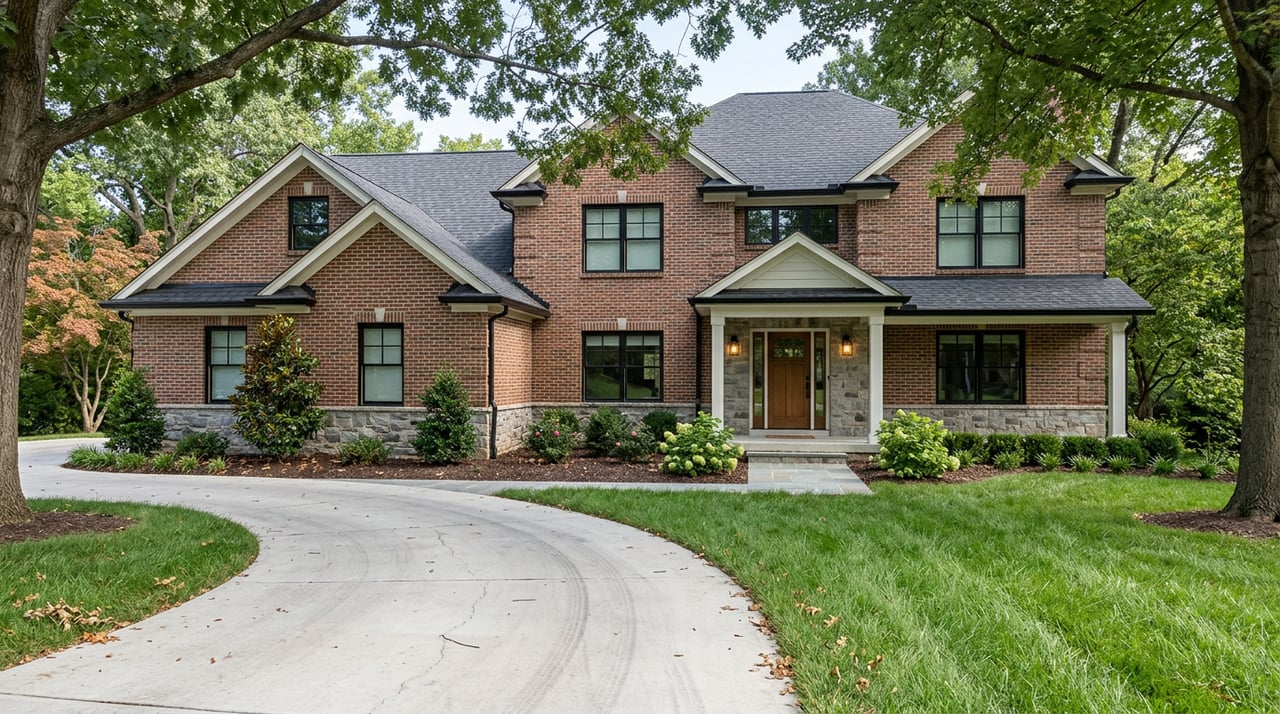
Can you repaint the trim on your Oakwood bungalow the week before you list? Replace a failing roof on a Kenworth Craftsman before your first open house? The honest answer in Hickory is: it depends less on what you're changing than on when you apply to change it.
Hickory has three locally designated historic districts within city limits: Oakwood, Kenworth, and the Claremont neighborhood inside Hickory itself, all established around 1985. Together with individually designated landmarks, roughly 160 properties across the city carry this local historic status. If your home sits inside one of these boundaries, the City of Hickory's local historic districts information says any exterior change beyond ordinary upkeep runs through the city's Historic Preservation Commission, and the process has a calendar quirk that catches sellers off guard more often than the rulebook does.
Two Historic Designations
The first thing that trips people up is conflating two designations that sound similar and function nothing alike.
National Register of Historic Places listing is largely honorary. What it can do is unlock money. According to the City of Hickory's National Register of Historic Places information, income-producing properties, like commercial buildings or multifamily housing, may qualify for a 20% federal rehabilitation tax credit plus a 15% state piggyback credit, while an owner-occupied residential property that contributes to a National Register district may be eligible for a 15% state tax credit on qualifying rehabilitation work, provided the work follows federal guidelines.
Local historic district designation is the one that actually regulates your renovation. Hickory's Historic Preservation Commission reviews exterior alterations to any property inside the Oakwood, Kenworth, or Claremont districts, or any individually designated landmark, through a permit called a Certificate of Appropriateness, or COA. A property can be on the National Register, or locally designated and subject to full review, or both. Knowing which one applies to your address determines whether your renovation timeline is your own or the Commission's.
The Categories Your Project Falls Into
Not every exterior project needs a COA, and not every COA takes the same amount of time. The city sorts work into categories, and the category your project lands in decides how fast you can move.
| Category | COA Required? | Who Approves It | Typical Timeline |
|---|---|---|---|
| Minor work | Yes | — | Often same day, no application fee |
| Major work | Yes | Historic Preservation Commission, public hearing | Tied to the monthly meeting cycle |
Minor work is where most sellers land, and it is genuinely painless. There is no application fee, and minor-work COAs are often approved the same day they are submitted. Major work is a different animal. It requires a public hearing, an application fee to cover the cost of mailed notices, and formal notification to neighboring property owners before the Commission votes.
Why the Fourth Tuesday Matters More Than the Rulebook
Here is the part that actually changes a seller's timeline: the Historic Preservation Commission meets once a month, on the fourth Tuesday, at 5:30 p.m. at City Hall. Applications submitted by the first day of the month are heard at that month's meeting. Miss that window and your major-work project waits for the next cycle, a full month later, regardless of how straightforward the request is.
For a seller trying to get a deck rebuilt or a visible addition approved before listing photos go up, that single scheduling detail can matter more than any line in the design guidelines. A project that would take a contractor two weeks to build can sit waiting on a hearing date, simply because the paperwork landed on the wrong side of the first of the month.
This is where current market conditions raise the stakes. Hickory homes sold for a median $320,000 over the three months ending in August 2026, up 7% from the same period a year earlier, but they are also taking longer to sell: a median 62 days on the market, up from 55 days the year before, with fewer homes changing hands in August 2026 than in August 2025. That is not a market in free fall, but it is a market with less urgency pulling buyers through the door, which means a seller who loses a month to a missed hearing cycle is losing a month in a slower season, not a hot one where buyers would have waited anyway.
If the Commission denies a major-work application outright, the owner can revise and resubmit, which restarts the same monthly clock, or appeal to the Hickory Board of Adjustment. And if work happens without a COA at all, whether the seller didn't realize a permit was needed or a previous owner made changes years ago, the city can issue a Notice of Violation, with civil citations possible if the case warrants it. None of that is a reason to avoid these neighborhoods. It is a reason to find out early which category your project falls into.
What This Means If You're Planning to Sell
The practical move is simple, even if the process behind it isn't: before you schedule a contractor for anything visible from the street, a quick check with the city's Planning and Development Division tells you whether you're looking at same-day approval or a seat on next month's agenda. That single phone call, made a month or two before you plan to list, is the difference between a smooth pre-listing punch list and a project that stalls your timeline right when you need it moving.
The Historic Preservation Commission itself is not a faceless bureaucracy. Its nine members include a registered architect, two building trades professionals, three historic property owners, and three at-large residents, people who live with the same guidelines they're reviewing. The guidelines exist to protect what makes Oakwood, Kenworth, and Claremont distinct: the rooflines, the porches, the materials that tell you immediately you're standing in one of Hickory's older neighborhoods rather than a newer subdivision. That character is a real part of what these homes are worth. It just comes with a calendar attached.
A Few Questions We Hear Often
Does my home have to be inside Oakwood, Kenworth, or the Claremont district in Hickory to be affected? Yes. Local COA review only applies to properties inside those three designated districts or to individually designated landmarks elsewhere in the city. A property outside those boundaries, even one that looks historic, is not subject to this process unless it carries its own individual landmark designation.
Which designations should I check before planning exterior work? Check both, since a property can carry either designation, both, or neither.
What if I want to do work and I'm not sure which category it falls into? Contact the city's Planning and Development Division before you schedule anything. They can tell you whether a project needs a COA at all, and if so, whether it's likely to be handled at the staff level or needs to go before the full Commission.
Selling or buying a historic-district home in Hickory rewards the same thing every real estate decision here does: knowing the specific rules for this specific street before you make a move, not a general sense of how these things usually go. That's the kind of groundwork Kathryn and Carly walk clients through directly, no assistants, no guesswork, from the first conversation about a listing timeline to the closing table. If you're weighing a sale in Oakwood, Kenworth, Claremont, or anywhere else in Catawba County, work directly with Kathryn & Carly and schedule your free consultation.
This article is general information, not legal, tax or financial advice. Consult a qualified professional about your situation.