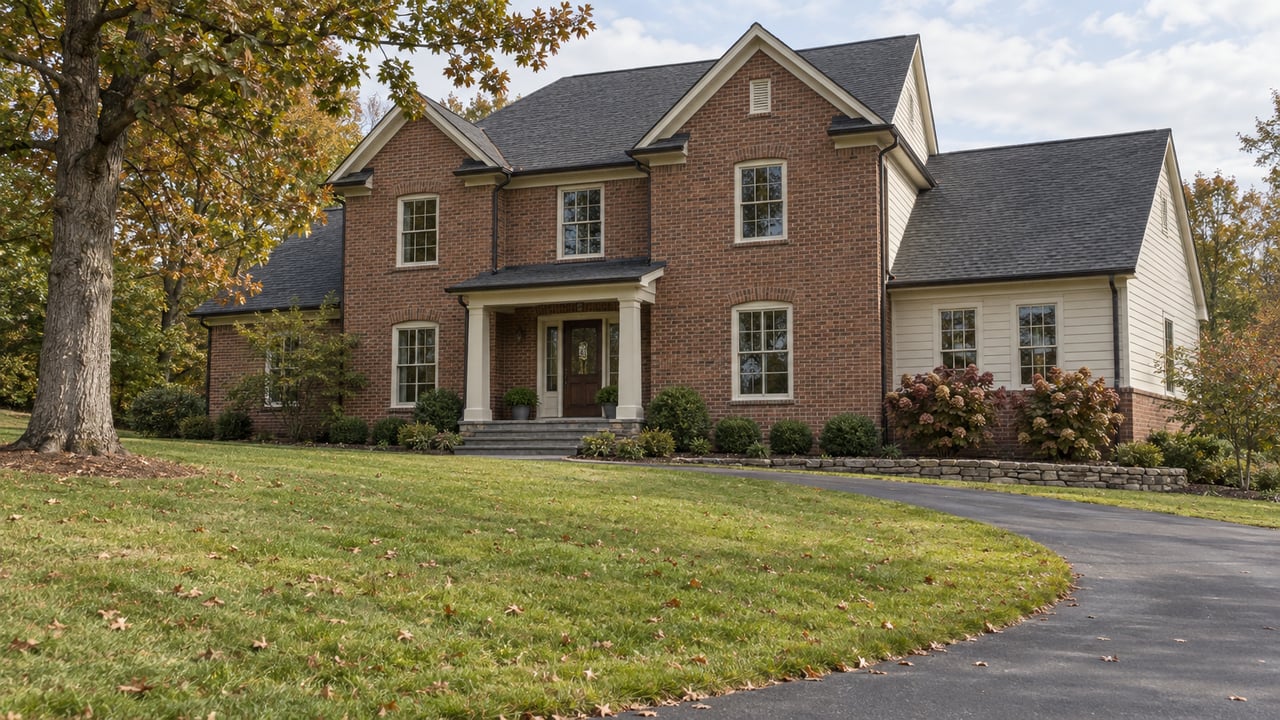
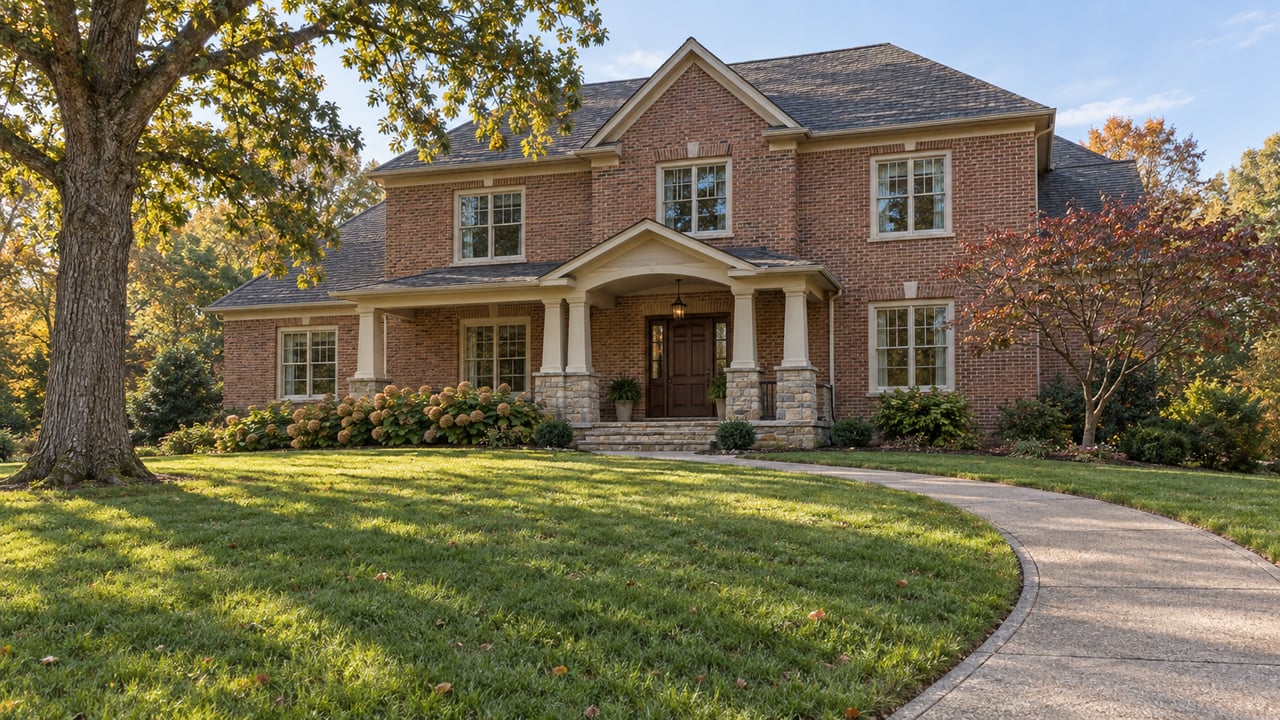
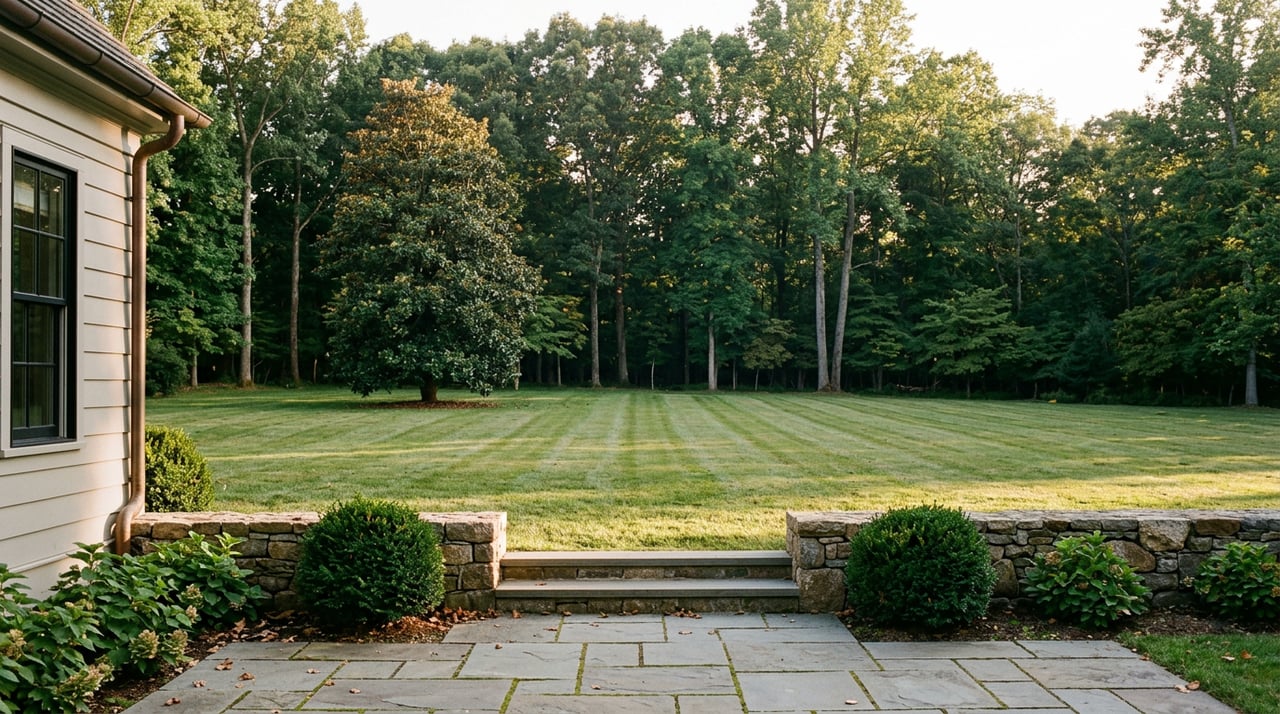
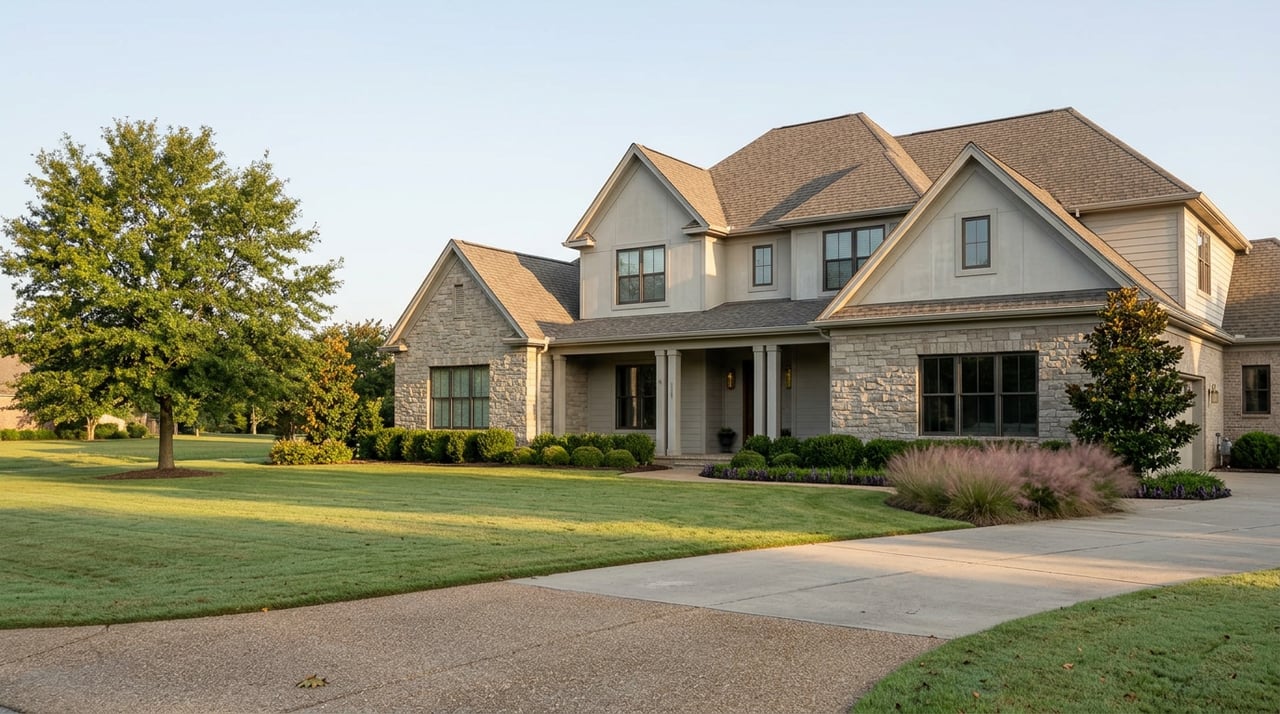
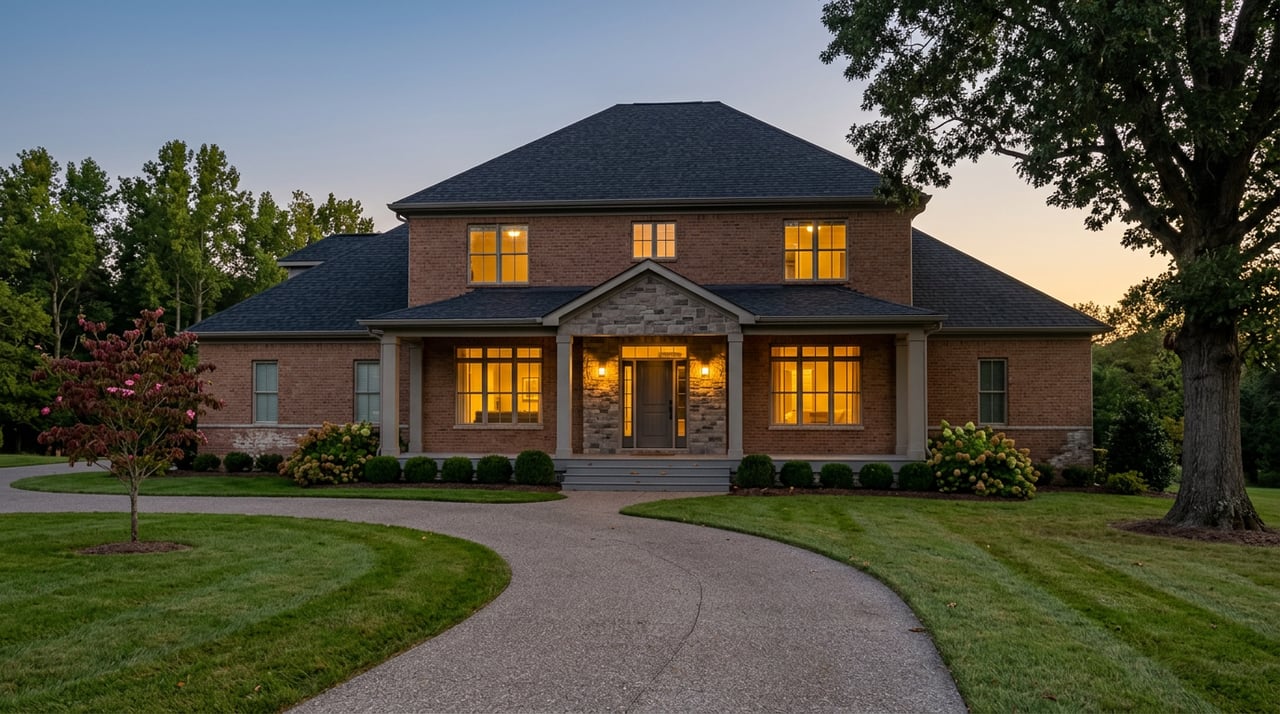
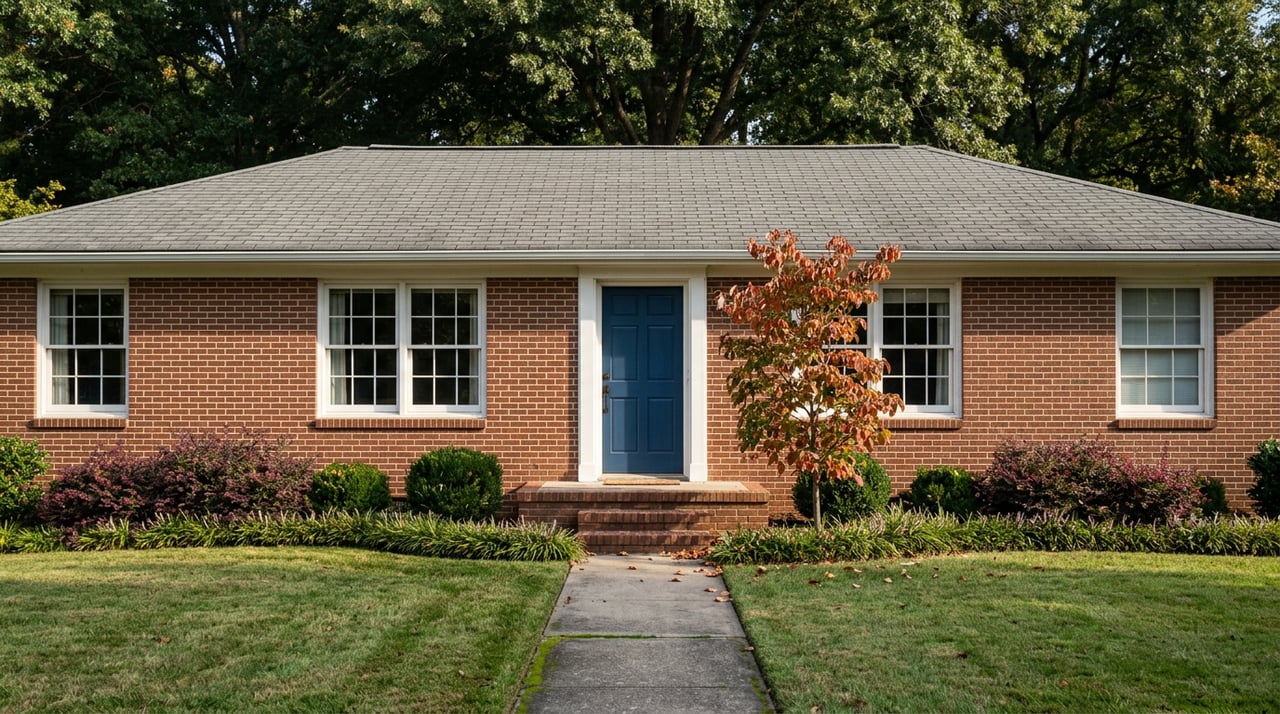
If you are selling acreage or a rural home in Mountain View or Vale, you are not just selling a house. You are selling land use, access, flexibility, and a buyer’s vision for how the property can work in real life. That can feel like a lot to prepare for, but the right details can make your property easier to understand and easier to value. In this guide, you’ll see what matters most to buyers in these Catawba County markets and how to position your property clearly before it hits the market. Let’s dive in.
Why Mt. View and Vale Sell Differently
Mountain View and Vale may both fall within the rural side of Catawba County, but buyers often approach them with different priorities. Catawba County describes Mountain View as an unincorporated suburban-rural area in western Catawba County near the I-40 and US 321 junction, while Vale is described as a primarily rural area with homes, acreage, and large farms extending into southwestern Catawba County.
That difference matters when you sell. In Mountain View, some buyers may focus on commute convenience and homesite potential. In Vale, buyers are often more focused on privacy, open land, farm use, or the long-term value of larger tracts.
Catawba County planning data helps explain why this niche stays important. Undeveloped and agricultural uses account for 123,952 acres, or 53% of county acreage, while single-family residential uses account for 100,757 acres, or 43%. Rural property is not a side category here. It is a meaningful part of the local market.
What Buyers Value in Acreage
Acreage buyers usually look beyond the total number of acres. They want to know what the land can support, how easily they can use it, and whether there are limitations that affect future plans.
USDA research shows farmland value is shaped by parcel-specific features like soil quality, rural amenity value, and urban proximity. Regional benchmarks also show why buyers ask detailed questions about land productivity. For 2025, USDA estimated average farm real estate value at $5,590 per acre in the Appalachian region, with cropland averaging $5,950 per acre and pastureland averaging $4,680 per acre.
Those are not Catawba County listing prices, but they do show a larger point. Usable land tends to draw stronger interest than vague land. If a buyer cannot tell whether a tract is suited for pasture, timber, a homesite, or mixed use, hesitation usually follows.
Soil and land function matter
For wooded tracts, NC State Extension says soil quality is the most important factor in forest management decisions. NRCS also notes that soil properties are central to land-use interpretation. In practical terms, buyers want to understand drainage, site productivity, and whether the property is better suited for homesites, pasture, forestry, or a combination of uses.
If you can explain how the land functions, your listing becomes more credible. If the land is mixed, showing where the open ground ends, where the woods begin, and where a likely homesite could fit gives buyers a much clearer picture.
Start With Access and Utility Questions
For rural homes and vacant land, access and utility information often rises to the top of the buyer checklist. Many buyers will ask these questions before they even schedule a showing.
NCDOT states that anyone who develops, redevelops, changes the use of, or alters access to property fronting the state highway system must obtain a driveway permit before work begins. That does not mean every property has a problem, but it does mean access should never be assumed.
Utility setup matters just as much. Catawba County permit staff note that zoning approval and water, sewer, septic, and well status are typical prerequisites for common construction permits. If your property is vacant land or includes extra acreage for a future homesite, buyers will want to know what is already documented and what still needs evaluation.
Septic readiness can shape buyer confidence
Catawba County Environmental Health requires septic applications to include a plat or GIS printout showing structures, driveways, rights of way, wells, septic systems, streams, gullies, and other site features. For vacant parcels, the property must also be prepared for evaluation by staking and stringing property lines and proposed improvements.
That is why seller prep matters so much. Even if you have not completed every step, gathering the documents you do have can help buyers understand the path forward.
Check Flood Zones, Easements, and Parcel Details
A beautiful tract can still come with constraints. Before you market acreage, it helps to understand what the county maps and records actually show.
Catawba County GIS notes that parcel maps can show dimensions, easements, and flood zones. The GIS system also warns that older miscellaneous lines may represent old parcel lines or easements and should be verified rather than assumed to be true property boundaries.
Floodplain screening is another key step. The county GIS labels AE as the 1% annual-chance flood zone and AEFW as the floodway, where development is limited. The county’s Unified Development Ordinance brings zoning, subdivision, and floodplain regulations into one framework, so acreage value is not just about size. It is also about what the site allows.
Why this affects pricing and marketing
When these details are unclear, buyers tend to build in extra caution. They may offer less, wait longer, or move on to a property with better documentation. When you can show where the likely building area is, what access points exist, and whether any floodplain or easement issues affect use, buyers can make decisions faster.
How to Position Different Land Types
Not all acreage should be marketed the same way. A pasture tract, a wooded tract, and a mixed-use parcel each need a different story.
Pasture and open ground
For pasture or open acreage, buyers want to see usable ground, not just a total acreage figure. Helpful details include:
- Fencing and cross-fencing
- Water access
- Current grazing or hay use
- Open areas versus lower or less usable sections
- Whether the property is part of Catawba County’s Voluntary Agricultural District program
Because USDA data shows cropland typically values above pastureland, buyers often pay close attention to productivity and improvements on open ground.
Wooded acreage
Wooded land should be presented as more than a stand of trees. Stronger listing details often include:
- Timber type and approximate age
- Trail or logging-road access
- Boundary marking
- Drainage patterns
- Any forestry management records
- Conservation features
This gives buyers a more useful picture of the property and supports how they evaluate long-term use.
Mixed-use parcels
Mixed-use tracts usually need the most explanation. If a property includes open ground, woods, and a potential homesite, buyers need help understanding how those pieces fit together.
The clearest listings usually answer practical questions like:
- Where could a house reasonably go?
- Where are utilities located?
- What driveway route makes the most sense?
- Are there septic or floodplain issues that affect the best building area?
Present-Use Value Can Affect Buyer Decisions
If your property is enrolled in Catawba County’s Present-Use Value program, that can be important to buyers. The county says agriculture generally requires at least 10 acres in active production, horticulture 5 acres, and forestry 20 acres, along with income and ownership requirements.
The county also states that land in the program is typically assessed at 10% to 50% of market value. After a sale, a qualifying buyer can continue the enrollment within 60 days. If they do not qualify or do not continue it, deferred taxes become due.
This is not a small detail. If your property has PUV status, buyers need to understand both the benefit and the continuation requirements early in the process.
Seller Prep Before You List
Rural listings tend to perform better when they answer questions before buyers ask them. A little prep upfront can improve both interest and negotiating strength.
Before listing, it helps to gather:
- Deed
- Survey or plat
- Parcel identification number
- Septic records
- Well records
- Known easements
- Present-Use Value paperwork, if applicable
- Voluntary Agricultural District paperwork, if applicable
County GIS and tax tools can also help confirm parcel details and sale history. The goal is simple: reduce uncertainty and make the property easier to evaluate.
Why Local Marketing Matters for Rural Property
Selling acreage in Mountain View or Vale takes more than posting photos and a lot size. Buyers need context. They need clear explanations of access, land use, improvements, and county-level considerations that affect what they can actually do with the property.
That is where direct local experience matters. A rural listing needs accurate positioning, practical marketing, and a clear strategy built around what buyers in this part of Catawba County are really comparing.
When you are ready to sell acreage or a rural home in Mountain View or Vale, working with experienced local brokers can help you price it correctly, present it clearly, and attract serious buyers. If you want hands-on guidance from a senior-agent team that knows the Catawba County market, connect with Kathryn Herman & Carly Pruitt.
FAQs
What makes selling acreage in Mountain View different from selling acreage in Vale?
- Mountain View is described by Catawba County as a suburban-rural area near I-40 and US 321, while Vale is described as a primarily rural area with homes, acreage, and large farms, so buyer priorities can differ depending on location and intended land use.
What documents should you gather before listing rural property in Catawba County?
- Helpful documents include the deed, survey or plat, PIN, septic records, well records, known easements, and any Present-Use Value or Voluntary Agricultural District paperwork.
What access issue should sellers check for rural land in Catawba County?
- If a property fronts the state highway system, NCDOT says a driveway permit is required before developing, redeveloping, changing use, or altering access.
What flood zone labels matter when selling rural land in Catawba County?
- Catawba County GIS labels AE as the 1% annual-chance flood zone and AEFW as the floodway where development is limited.
What should sellers explain about wooded acreage in Catawba County?
- Sellers should be ready to discuss soil and drainage, timber type and age, trail access, boundary marking, and whether the tract is best suited for forestry, a homesite, or mixed use.
What should buyers know about Present-Use Value in Catawba County?
- Catawba County says qualifying buyers can continue PUV enrollment within 60 days after purchase, but if the property does not remain qualified, deferred taxes may become due.