Wondering what kind of home you can actually find in Newton, NC? That is a smart question, because Newton is not a one-style market where every street looks the same. If you are comparing areas in Catawba County, understanding Newton’s mix of older homes, mid-century neighborhoods, and newer construction can help you narrow your search with more confidence. Let’s dive in.
Newton has a mixed housing market
Newton offers a broader mix of home types than many buyers expect. Current housing data shows 5,555 housing units in the city, with about 73% owner occupancy and 84% single-unit structures. In simple terms, detached single-family homes are the main housing type, but townhomes, rentals, and other attached options are part of the picture too.
That variety is one of Newton’s biggest strengths. Instead of pushing you toward one standard neighborhood format, the city gives you several distinct housing styles to compare. That can be helpful whether you want historic character, a simpler one-level layout, or a more predictable new-construction setting.
Older homes near downtown Newton
If you are drawn to older homes, Newton’s historic core is a good place to start. The downtown historic district centers around the courthouse square and includes older frame houses alongside one- and two-story brick commercial buildings. Historic records also note a Craftsman bungalow and a Colonial Revival apartment building within this core.
For you as a buyer, that often means homes near downtown may feel more varied from lot to lot. You may see homes set closer to the street, a wider mix of exterior materials, and parcels that do not follow the same repeated pattern you often find in newer subdivisions. Even on smaller in-town lots, the city’s code still requires street frontage and standard yard setbacks, so the layout remains street-facing and conventional in that sense.
What downtown-adjacent homes often feel like
Homes near downtown Newton usually reflect the city’s earlier growth pattern. Newton developed as a rural manufacturing center for furniture and cloth in the late 1800s and early 1900s, and that history still shows up in the residential fabric near the historic center.
For you, that can translate to homes with more individual character and less uniformity. Streetscapes may feel established and visually layered rather than newly planned. If you enjoy variety and older architectural details, these areas can be worth a closer look.
North Main homes and historic residential blocks
Another key part of Newton’s older housing stock sits around North Main Avenue. The North Main Avenue Historic District contains a large share of the city’s historic residential, educational, religious, and industrial resources. Historic documentation describes a cohesive collection of dwellings from the mid- to late-19th century and early 20th century, grouped around long-standing community buildings and separated from newer residential areas.
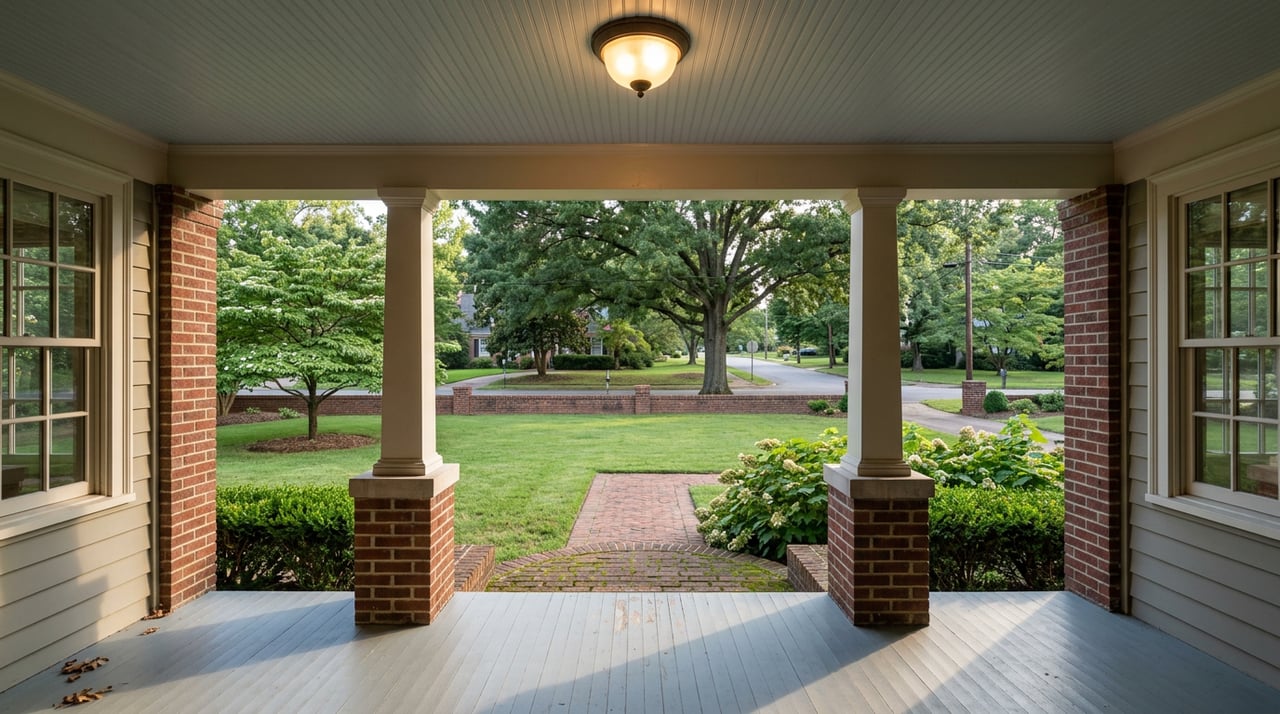
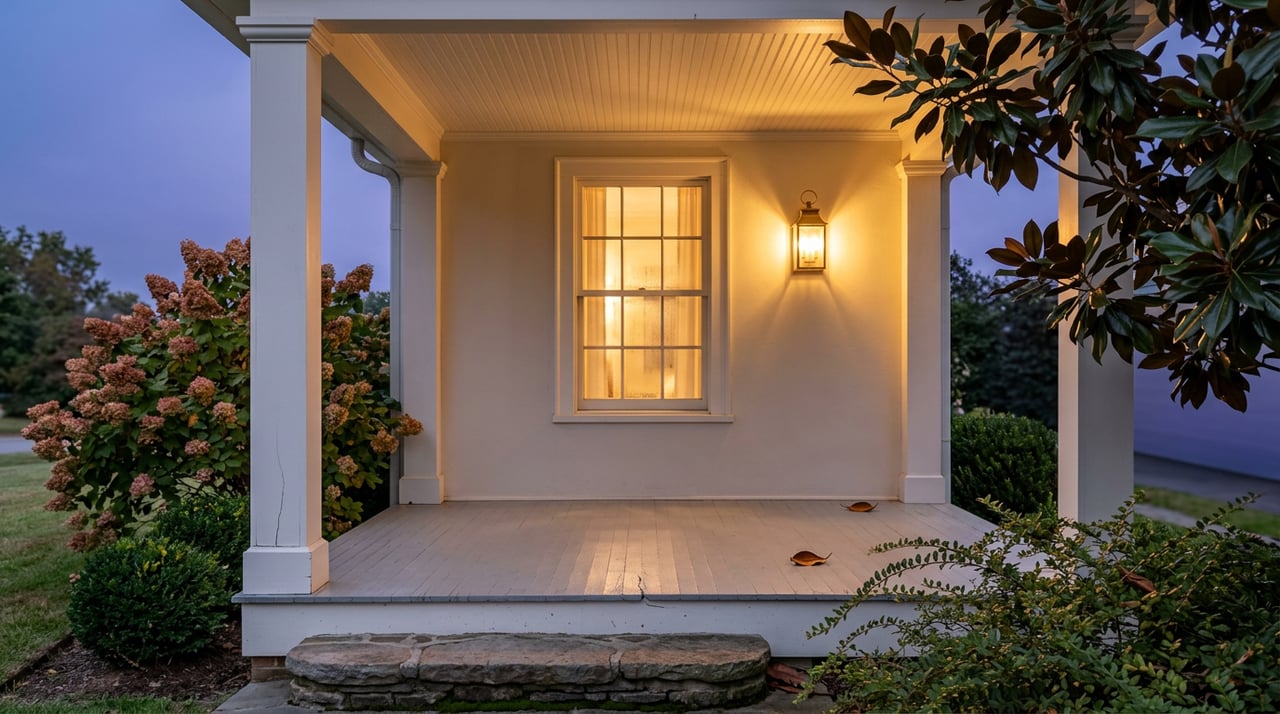
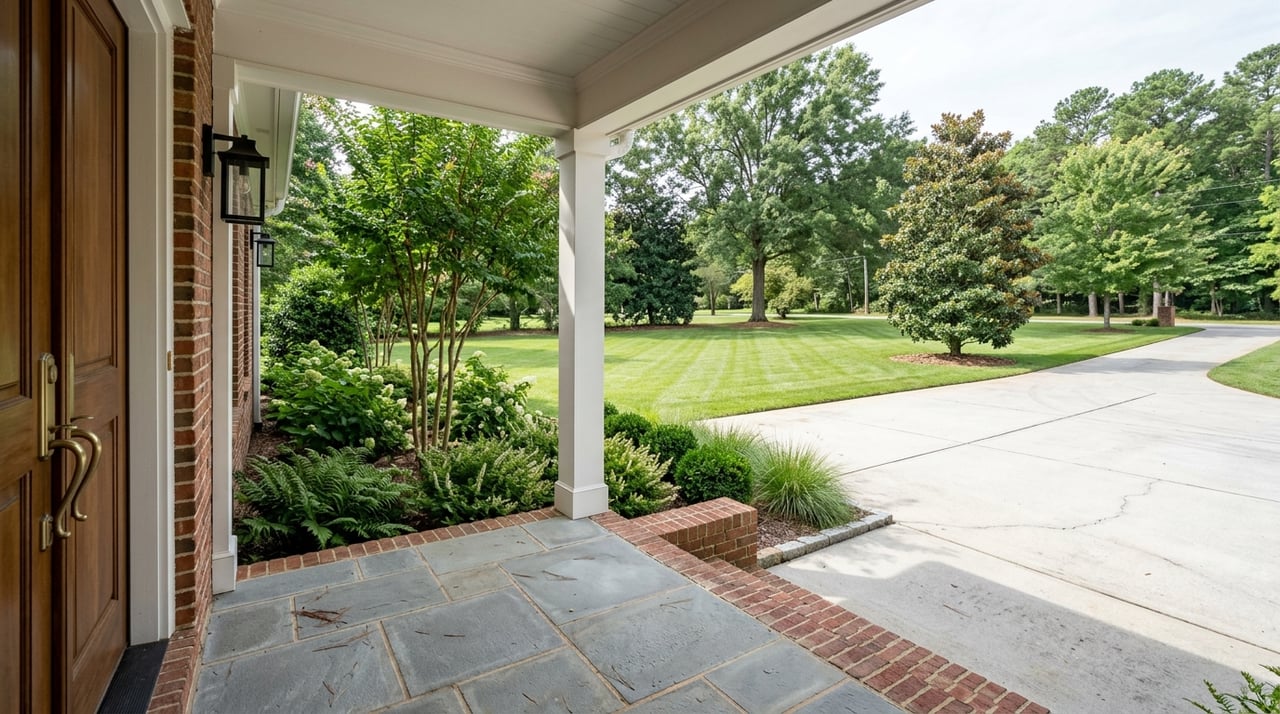
This part of Newton gives buyers a strong sense of the city’s historic residential pattern. A separate historic nomination for homes in this area describes late-19th- and early-20th-century houses, including Queen Anne and bungalow examples, on narrow but deep lots with mature landscaping.
What to expect from lot patterns
In practical terms, older North Main area homes may offer:
- Smaller street frontage
- Deeper yards
- Mature trees and landscaping
- Front porches
- More variation in driveway or parking placement
That can create a very different experience from a newer planned subdivision. If you like homes that feel established and less standardized, these older residential blocks may stand out.
What older Newton homes can mean for buyers
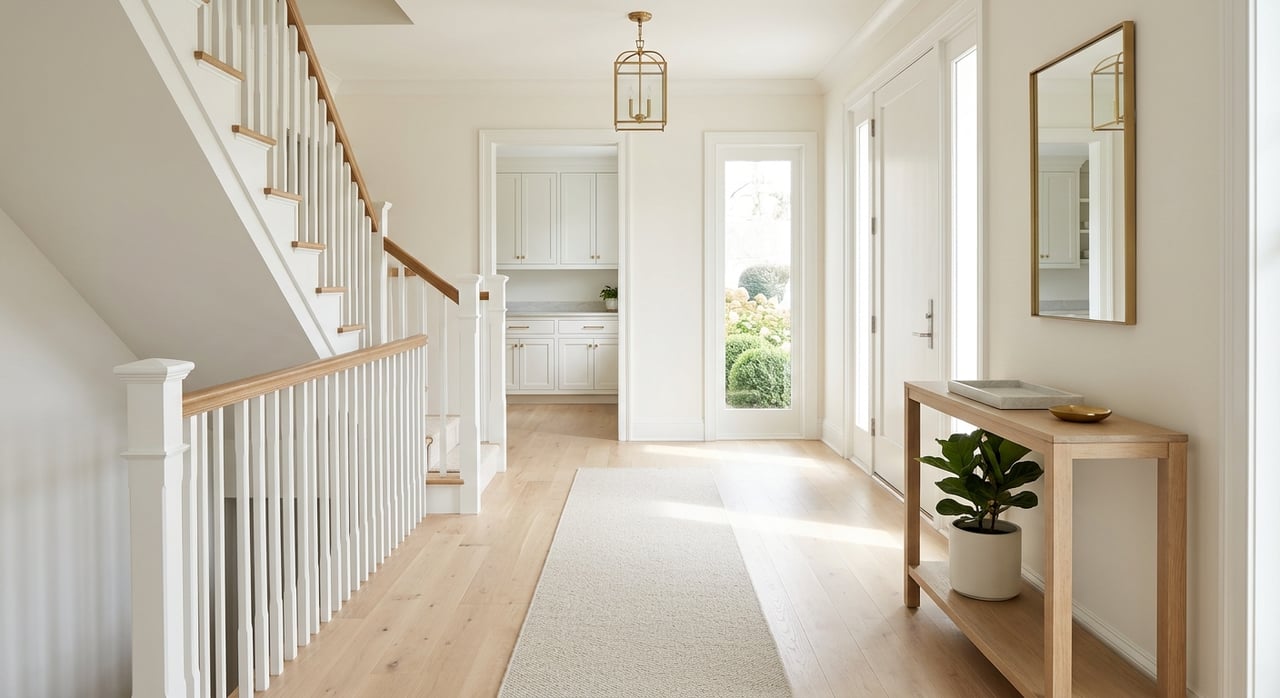
Older homes in Newton often come with original floor-plan logic and a mix of materials and site layouts. Some may have room arrangements that reflect an earlier era rather than today’s open-concept trends. Others may offer a preservation-oriented feel, especially near the historic core and North Main.
That does not make them better or worse than newer homes. It simply means your priorities matter. If charm, porches, and unique lot patterns are high on your list, older in-town Newton may be a strong fit.
Post-war ranch neighborhoods in Newton
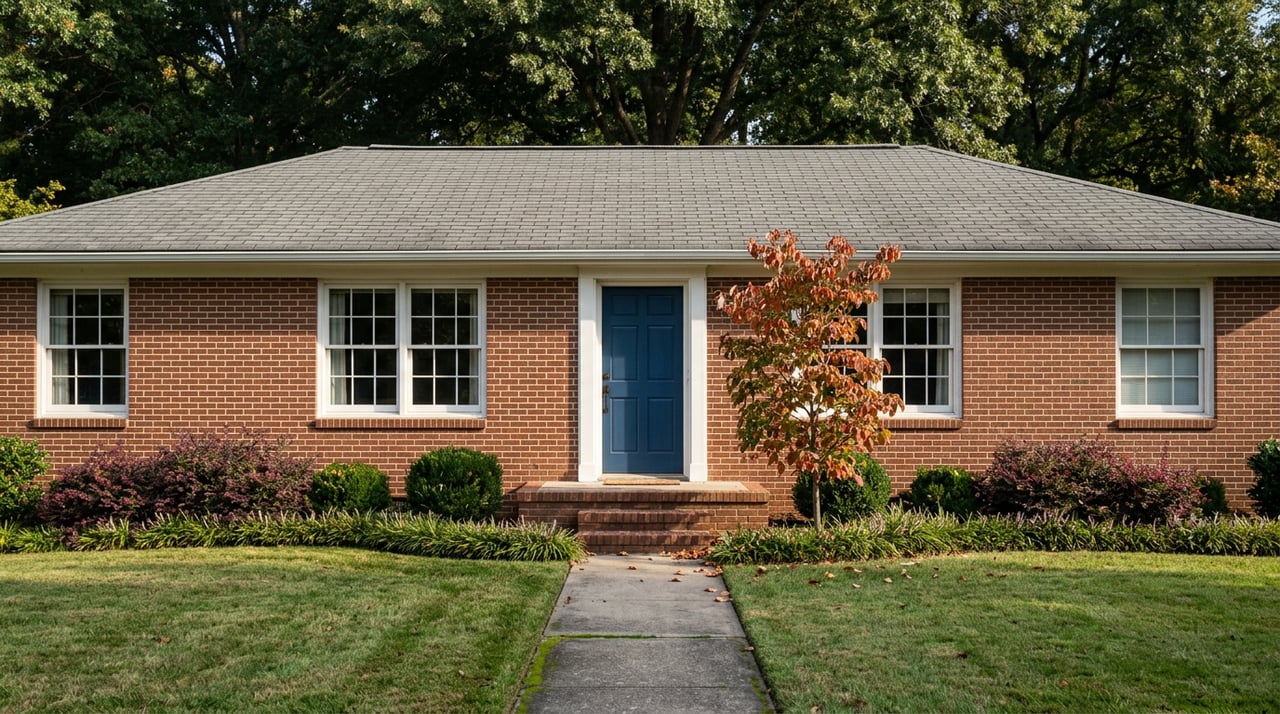
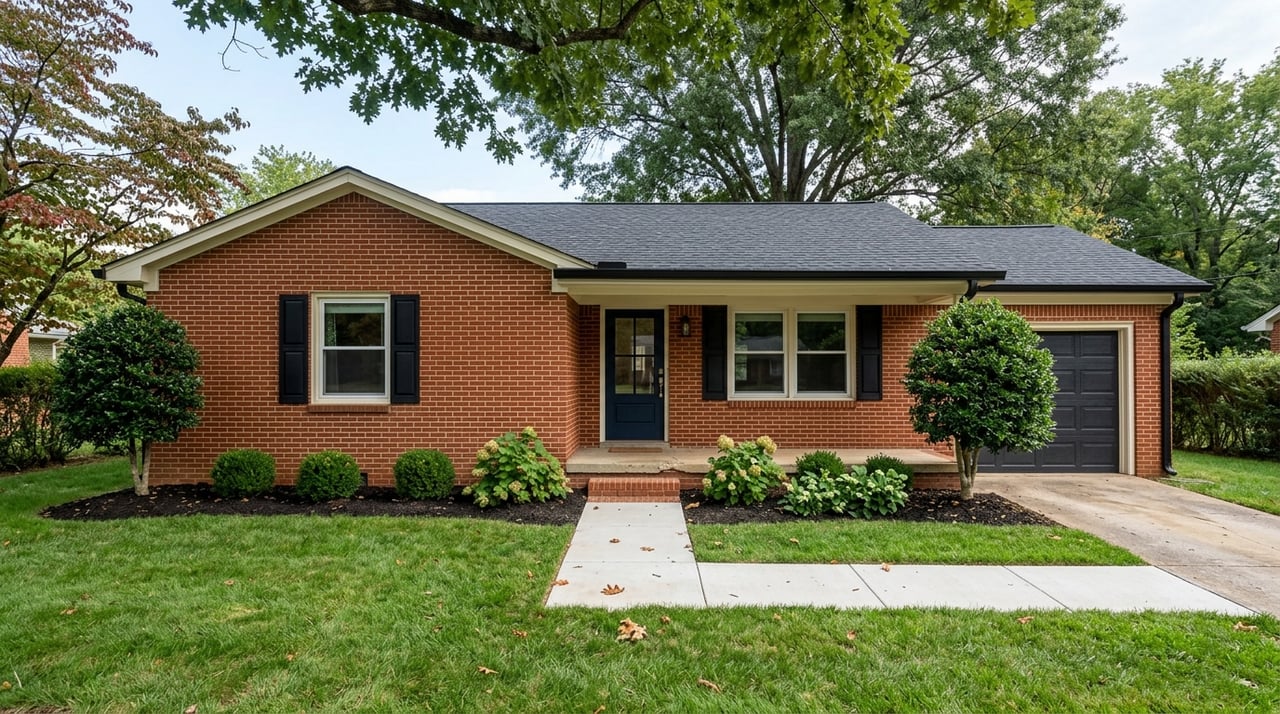
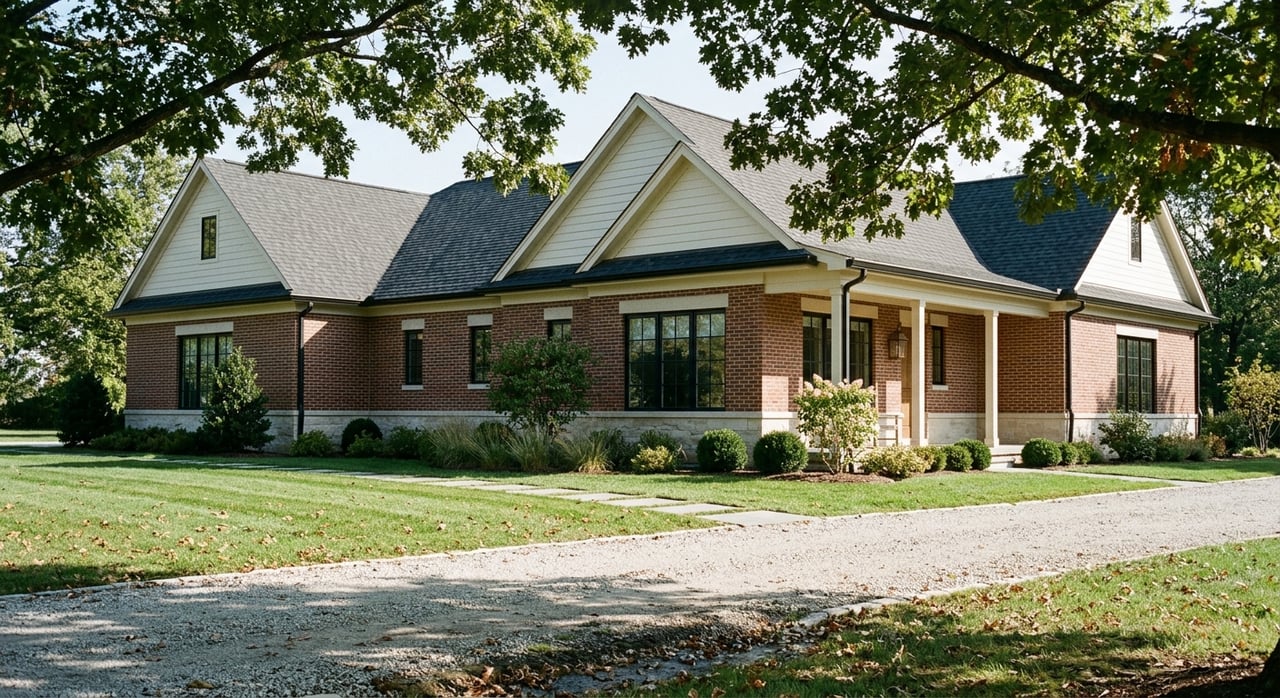
Newton also has a clear mid-century housing layer. Local housing guides note the presence of post-World War II ranch-style homes, which sit between the city’s oldest in-town areas and its newest communities.
For many buyers, this is an appealing middle ground. Ranch homes often represent a simpler suburban form, with more conventional lots and an easier-to-understand layout than some older historic homes. They also give Newton another option for buyers who want character without going all the way back to 19th-century housing stock.
Why ranch homes appeal to many buyers
Ranch-style areas can be attractive if you want a more straightforward ownership experience. In general, they often align with buyers looking for one-level living, simpler exterior massing, and neighborhoods that feel more suburban than downtown-adjacent blocks.
The larger point is that Newton is not split only between historic homes and brand-new construction. This mid-century layer adds another practical choice, which makes the city more flexible for different budgets, preferences, and life stages.
New construction in Newton
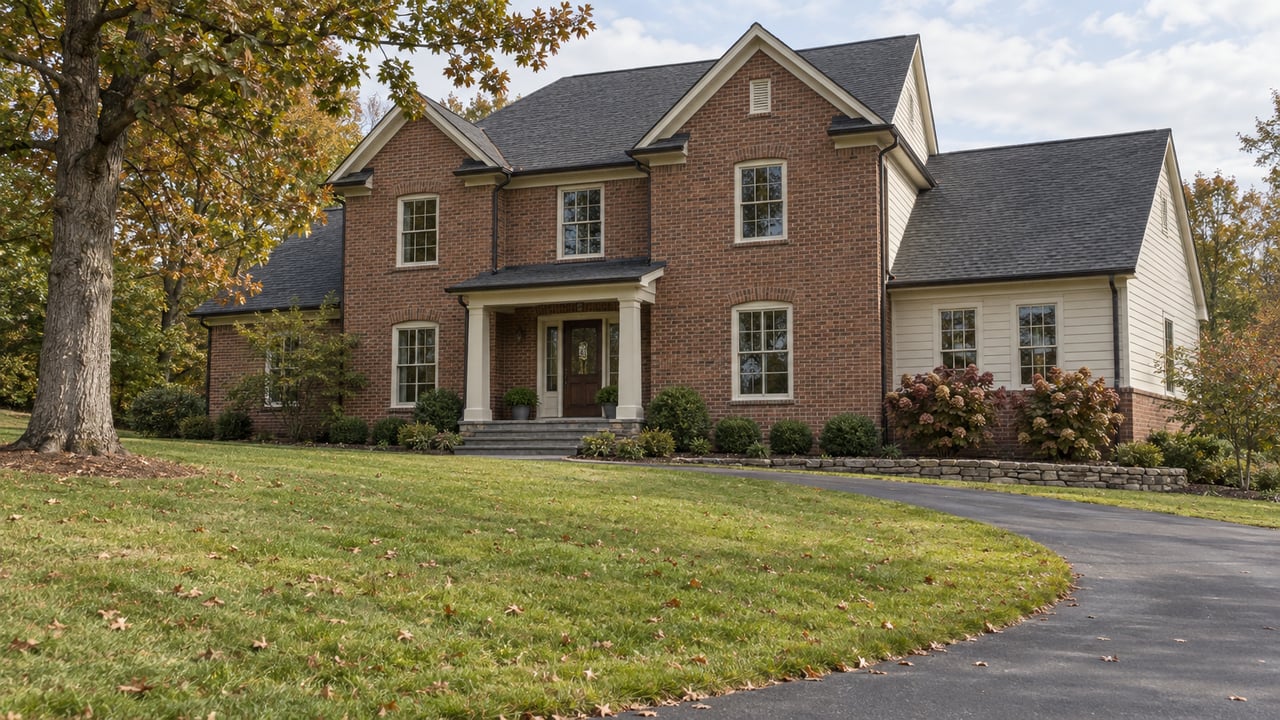
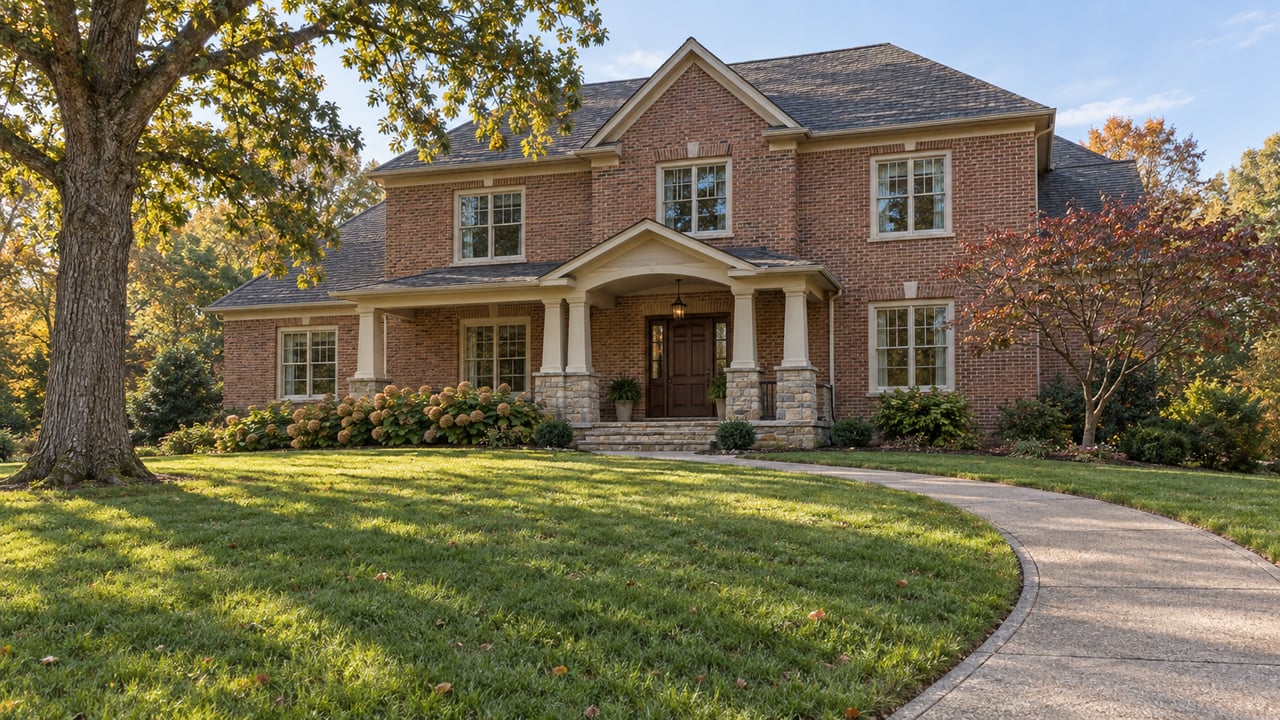
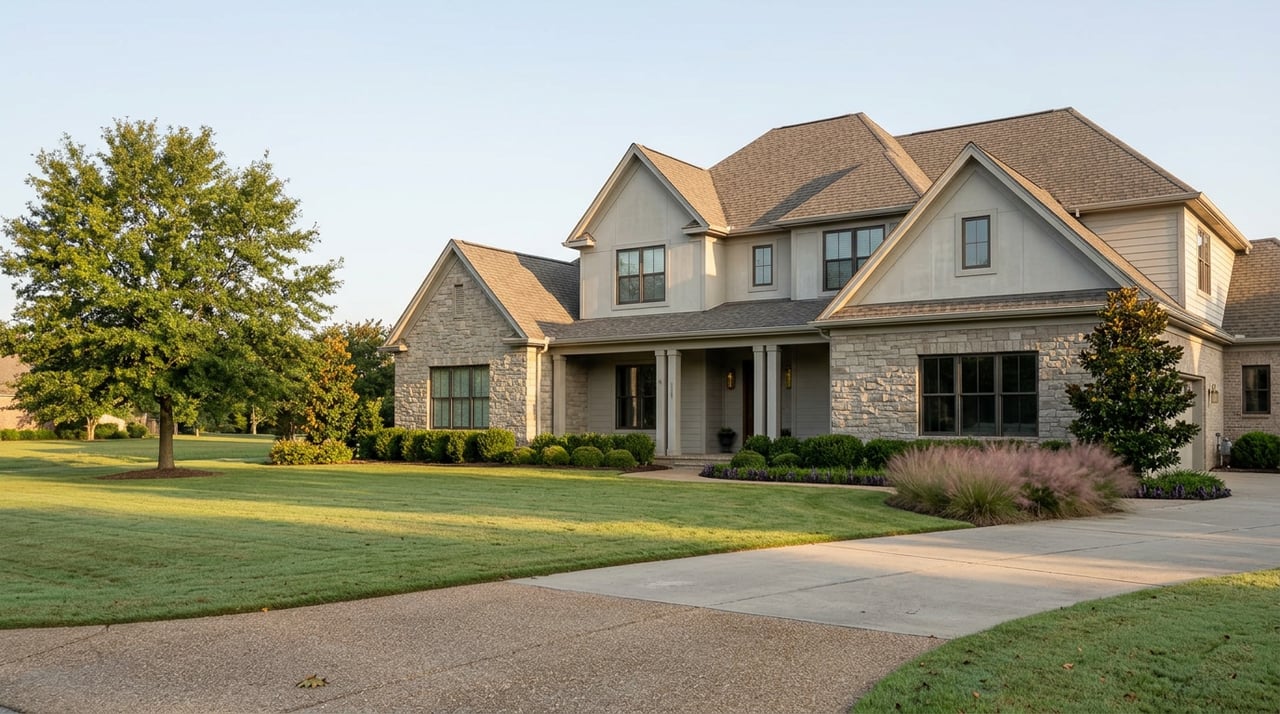
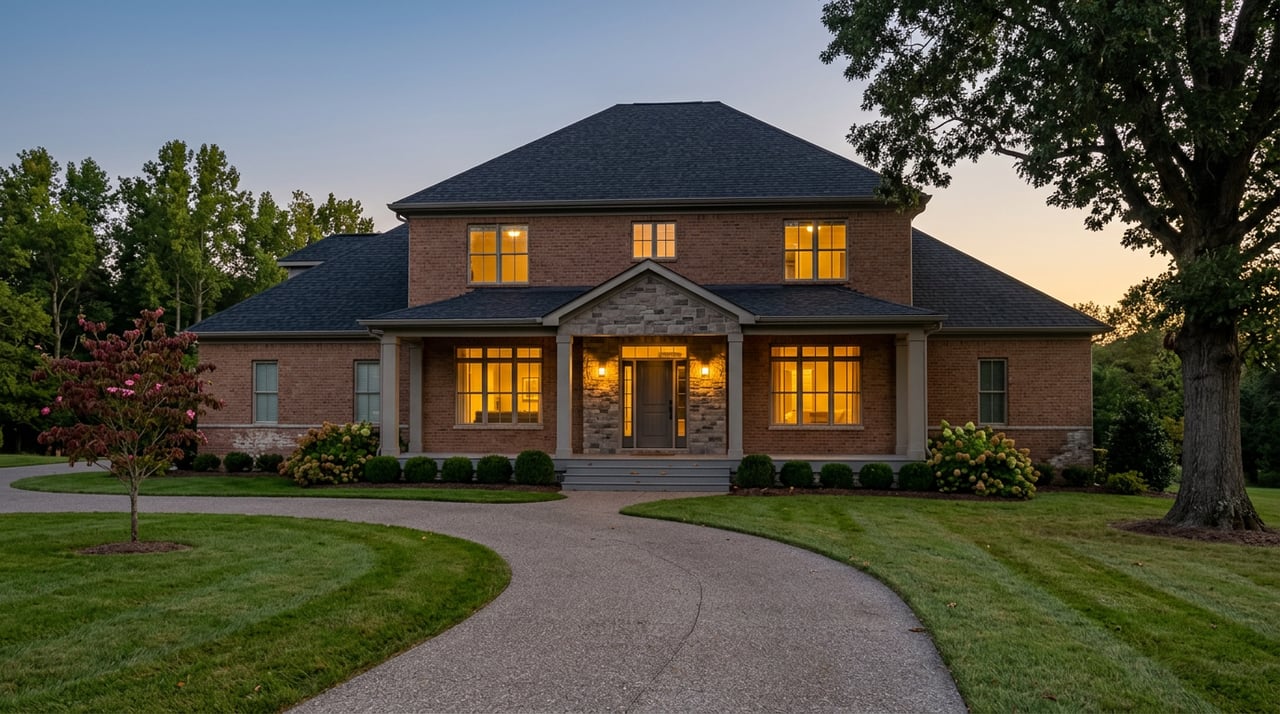
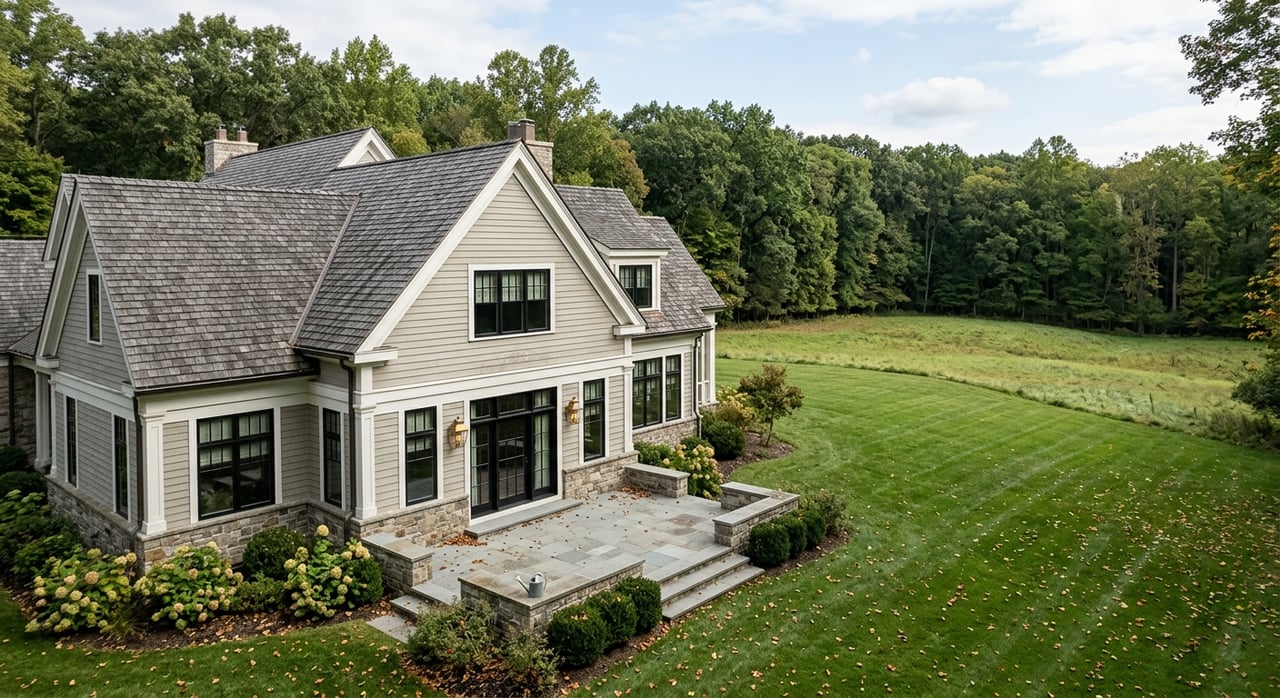
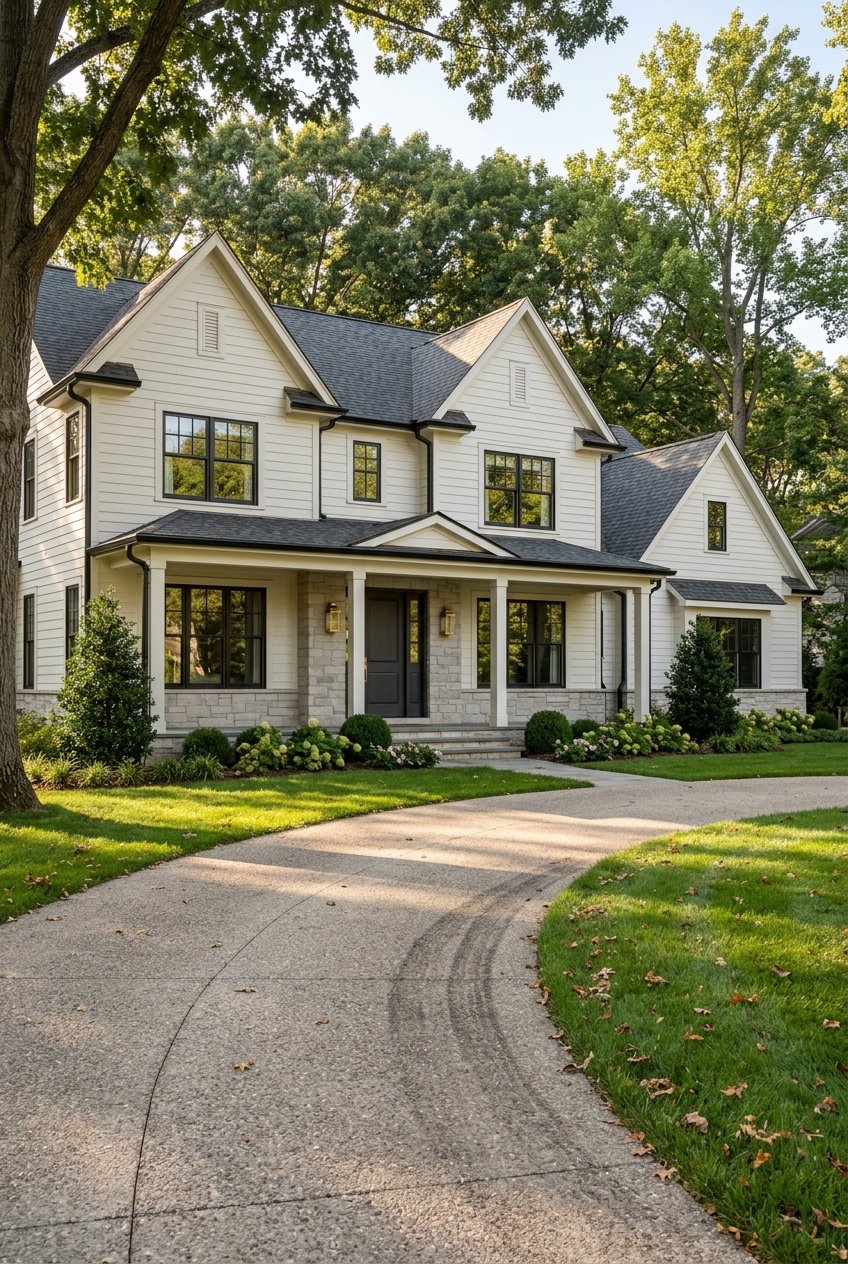
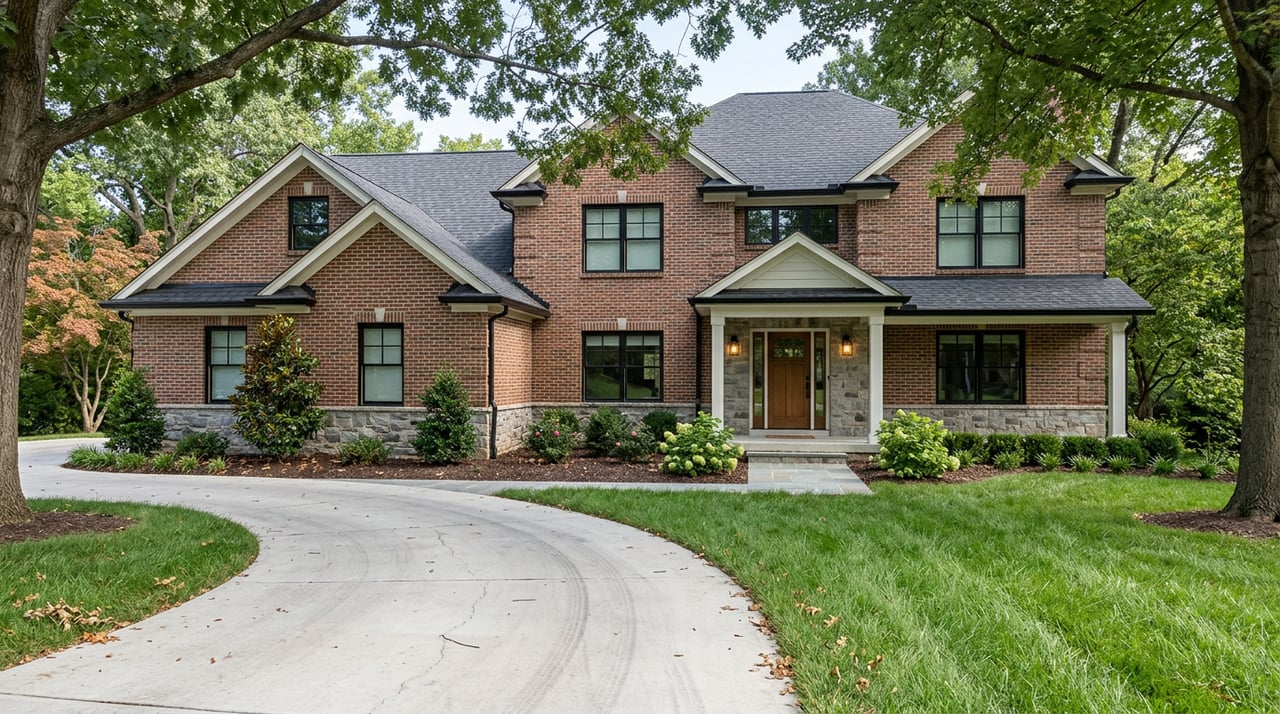
If your priority is a newer home with a more planned layout, Newton has that option too. Current new-construction communities show the city’s more modern edge-of-town pattern, with repeated floor plans, organized streets, and a more uniform look from one home to the next.
This is where Newton starts to feel more like a conventional subdivision market. Compared with older in-town areas, these neighborhoods usually offer more predictable layouts and a clearer sense of what to expect block by block.
Single-family new-construction communities
Two current examples in Newton help illustrate this pattern.
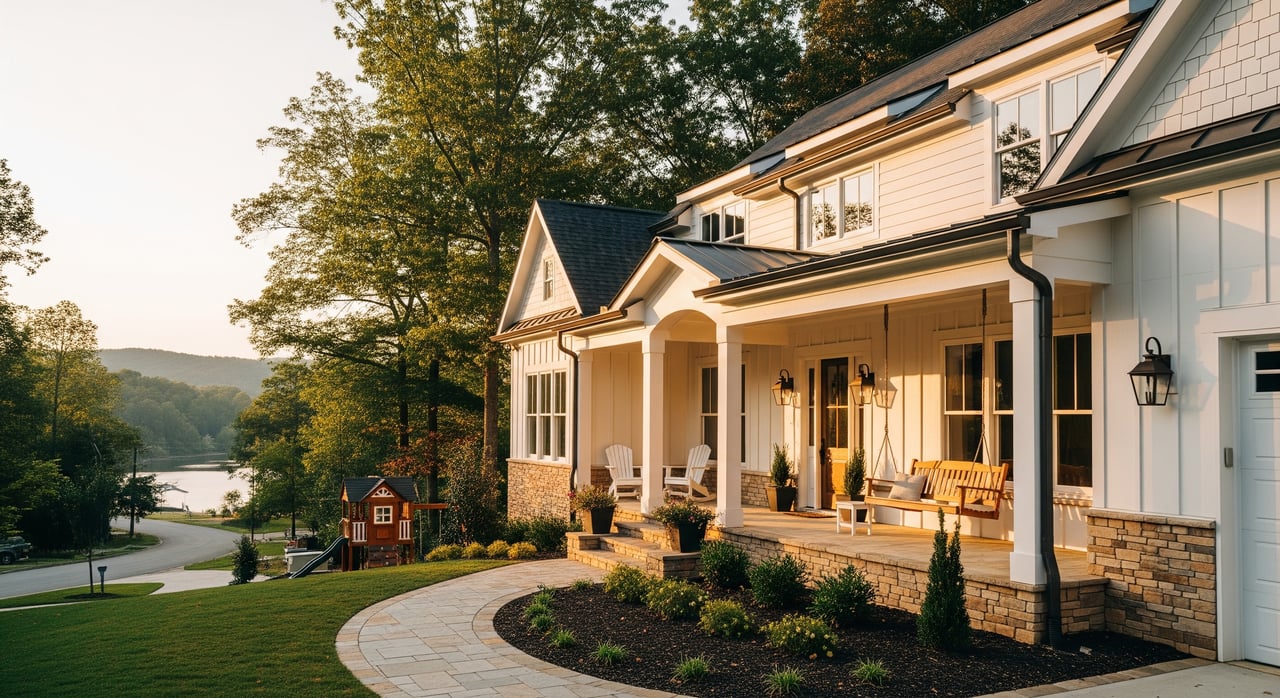
Trivium Meadows offers detached single-family homes, with standard features that include two-story layouts, 3 to 4 bedrooms, about 1,725 to 2,018 square feet, front porches, patios, front-facing garages, and HOA fees. That is a strong example of the modern subdivision style now present in Newton.
The Falls at Newton is another new-construction community, with 190 planned single-family lots and 10 floor plans. At that scale, buyers can expect a larger planned-development pattern, with more repeated home designs and a more uniform street layout.
What newer Newton neighborhoods often include
In Newton’s newer communities, you are more likely to find:
- Planned street layouts
- Repeated or limited floor-plan selections
- Front porches
- Attached garages, often front-facing
- HOA structure in some communities
- A more suburban feel away from the historic core
If you prefer a home where features and neighborhood patterns feel easier to predict, this part of Newton may be the best match.
Townhome options in Newton
Townhomes exist in Newton, but they are a smaller part of the market than detached homes. That fits the broader housing picture, since single-unit structures make up the clear majority of the city’s housing stock.
One current example is the Townhomes at Trivium, a new-construction townhome community with 3-bedroom, 3-bath floor plans at about 1,600 square feet. These homes feature open-concept layouts and designer-selected finishes.
For some buyers, townhomes can offer a useful alternative to detached housing. They may appeal to people who want newer construction and a more compact layout while staying in Newton. The key takeaway is that townhomes are available, but they are still a niche option compared with single-family homes.
Lot size changes across Newton
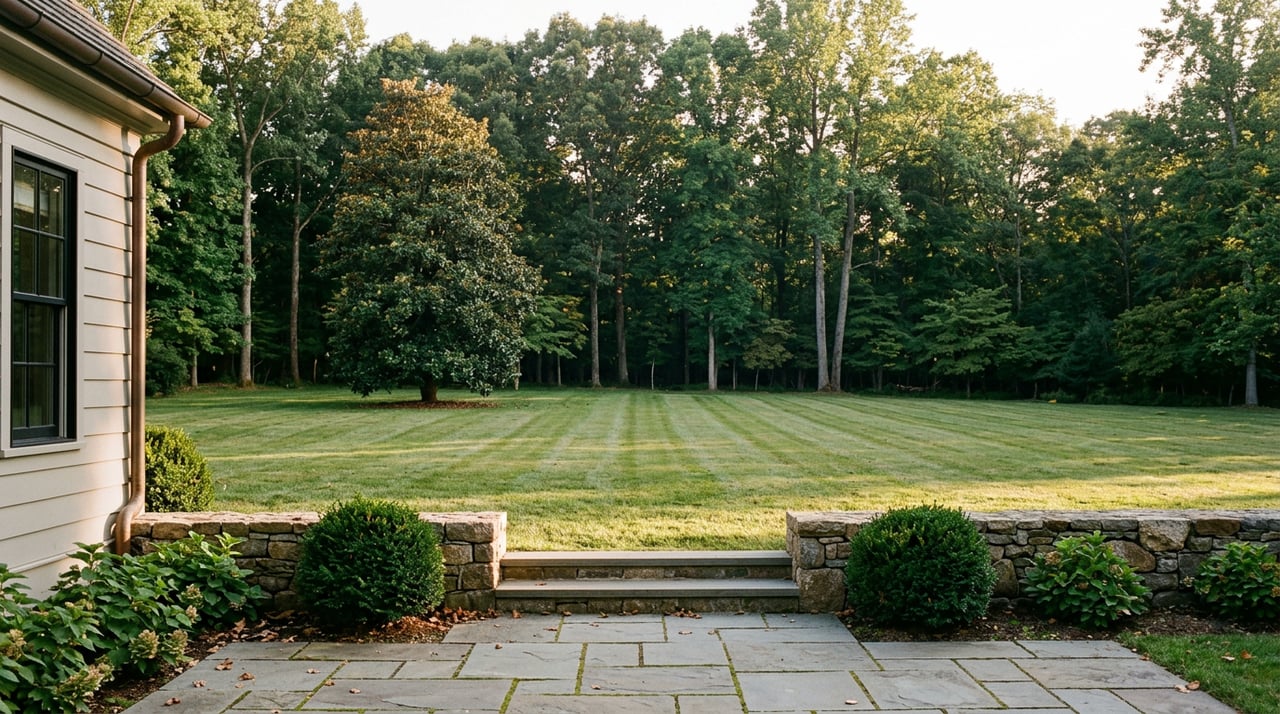
One of the clearest patterns in Newton is how lot layout shifts by location. Local housing guidance notes that lots farther from downtown tend to be larger. That helps explain why the city can feel very different depending on where you search.
Near the historic core, you may find narrower frontages, deeper yards, and a more varied street pattern. Farther out, lots and streets often feel more orderly and suburban, especially in newer planned communities.
A simple way to think about location and layout
Here is a practical way to compare Newton’s housing patterns:
| Area type | What you may notice |
|---|---|
| Downtown-adjacent | Older homes, more variation, homes closer to the street |
| North Main historic blocks | Deep lots, porches, mature landscaping, historic styles |
| Mid-century areas | Ranch homes, simpler suburban form, conventional lots |
| Newer edges of town | Planned layouts, garages, repeated floor plans, HOA patterns in some communities |
This kind of side-by-side comparison can make your search easier. It helps you focus less on labels and more on the day-to-day feel you want from a home and neighborhood setting.
Why Newton stands out in Catawba County
Newton works well for buyers because it offers several housing types in one city. You can compare historic downtown houses, North Main era homes, post-war ranches, newer single-family subdivisions, and a limited but real townhome segment without leaving town.
That makes Newton a practical option if you do not want to be boxed into one housing style. Some buyers want charm and irregular lot patterns. Others want a more standard suburban layout with newer finishes. Newton gives you room to compare both.
How to narrow your Newton home search
If you are starting your search in Newton, it helps to lead with your daily priorities. Think about whether you care most about architectural character, one-level living, lot size, neighborhood uniformity, or newer construction features.
A few questions can help guide you:
- Do you want a home with historic character and a less standardized layout?
- Would a ranch-style home with a simpler suburban feel fit your needs better?
- Do you prefer a newer subdivision with a garage, porch, and more predictable floor plans?
- Are you open to a townhome if you want newer construction in a more compact format?
The right answer depends on how you want to live, not just what style looks good online. That is where local guidance can save you time and help you compare Newton’s neighborhoods more clearly.
Newton’s housing market is layered, flexible, and more varied than many buyers expect. If you want help comparing home types, neighborhoods, or current opportunities in Newton and across Catawba County, work directly with experienced local brokers at Kathryn Herman & Carly Pruitt.
FAQs
What types of homes are most common in Newton, NC?
- Detached single-family homes are the most common, with current housing data showing that 84% of Newton’s housing stock is made up of single-unit structures.
What are older neighborhoods in Newton, NC like?
- Older areas near downtown and North Main often include historic homes, narrower street frontage, deeper yards, porches, mature landscaping, and more variation from one property to the next.
Are there ranch-style homes in Newton, NC?
- Yes. Newton includes post-World War II ranch-style homes, which add a mid-century housing option between the city’s oldest homes and its newest subdivisions.
Are there new construction homes in Newton, NC?
- Yes. Newton has current new-construction communities with detached single-family homes, planned street layouts, repeated floor plans, garages, and HOA structures in some neighborhoods.
Are townhomes available in Newton, NC?
- Yes, but they are limited compared with detached homes. Townhomes are a smaller part of Newton’s housing mix, with newer examples such as the Townhomes at Trivium.
How do lot sizes vary in Newton, NC?
- Lots farther from downtown tend to be larger, while older in-town areas often have narrower frontage, deeper yards, and more varied site patterns.